

Trade
Basic
Futures
Futures
Hundreds of contracts settled in USDT or BTC
TradFi
Gold
Trade global traditional assets with USDT in one place
Options
Hot
Trade European-style vanilla options
Unified Account
Maximize your capital efficiency
Demo Trading
Futures Kickoff
Get prepared for your futures trading
Futures Events
Participate in events to win generous rewards
Demo Trading
Use virtual funds to experience risk-free trading
Earn
Launch
CandyDrop
Collect candies to earn airdrops
Launchpool
Quick staking, earn potential new tokens
HODLer Airdrop
Hold GT and get massive airdrops for free
Launchpad
Be early to the next big token project
Alpha Points
Trade on-chain assets and enjoy airdrop rewards!
Futures Points
Earn futures points and claim airdrop rewards
Investment
Simple Earn
Earn interests with idle tokens
Auto-Invest
Auto-invest on a regular basis
Dual Investment
Buy low and sell high to take profits from price fluctuations
Soft Staking
Earn rewards with flexible staking
Crypto Loan
0 Fees
Pledge one crypto to borrow another
Lending Center
One-stop lending hub
VIP Wealth Hub
Customized wealth management empowers your assets growth
Private Wealth Management
Customized asset management to grow your digital assets
Quant Fund
Top asset management team helps you profit without hassle
Staking
Stake cryptos to earn in PoS products
Smart Leverage
New
No forced liquidation before maturity, worry-free leveraged gains
GUSD Minting
Use USDT/USDC to mint GUSD for treasury-level yields

More


Trending Topics
View More76.18K Popularity
4.32K Popularity
1.62K Popularity
2.27K Popularity
6.02K Popularity




Pin
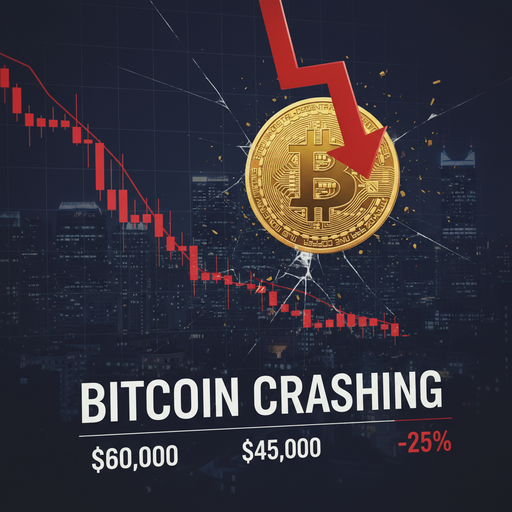
Gate Square | 2/5 Today's Hot Topic: #BuyTheDipOrWaitNow?
🎁 [Community Perk] Post with the topic or #BTC, 10 lucky users * $100 position Voucher.
Market volatility continues as BTC breaks below the $74,000 key support level, with altcoins pulling back in sync. Are you buying the dip in batches or waiting for a better entry point?
💬 Today’s Discussion:
1️⃣ Bottom Signals: Where do you see BTC’s bottom — $70,000 or lower?
2️⃣ Market Drivers: Which recent macroeconomic news or rumors are influencing the market?
3️⃣ Dark Horses: Are there any resilient or outperforming tokens worth watching?
ShTap to Trade in Gate Square, Win up to 50 GT & Merch!
Click the trading widget in Gate Square content, complete a transaction, and take home 50 GT, Position Experience Vouchers, or exclusive Spring Festival merchandise.
Click the registration link to join
https://www.gate.com/questionnaire/7401
Enter Gate Square daily and click any trading pair or trading card within the content to complete a transaction. The top 10 users by trading volume will win GT, Gate merchandise boxes, position experience vouchers, and more.
The top prize: 50 GT.
, emphasizing consistency and simplicity.
Taco Bell breaks format slightly with its $7 Luxe Cravings Box—priced higher but delivering more volume through a Chalupa Supreme, Beefy Burrito, stacked taco, and accompanying items. This positions itself as a value play for those seeking maximum quantity.
Wendy’s Biggie Bag allows customers to select sandwich proteins while including nuggets, fries, and beverage options, with the flexibility to upgrade the drink component for an additional charge.
Evaluating Real Value in Budget Meal Deals
From a pure economics perspective, these meal deals offer measurable value compared to purchasing items individually. However, the real question centers on whether fast food represents genuine value for money in an era of elevated prices, or merely delivers psychological reassurance that spending is manageable.
Diners accustomed to paying premium prices for quick-service restaurant food now see meal deals as necessary anchors preventing further erosion of their dining budgets. Whether these promotions genuinely improve value or simply normalize elevated price points remains a matter of perspective. What’s undeniable is that without these offerings, many consumers would likely redirect spending toward home preparation entirely.
The Broader Market Implications
The proliferation of meal deal offerings signals an industry attempting to navigate genuine consumer resistance. Declining store traffic during otherwise busy seasons reflects a structural shift—people are making conscious decisions to reduce restaurant spending regardless of promotional offerings. The meal deals represent corporate acknowledgment of this reality rather than a comprehensive solution.
As competition intensifies, expect meal deal formats to remain central to chain restaurant strategy. The question is whether these budget offerings prove sufficient to stabilize traffic patterns or merely delay the inevitable consolidation as price-sensitive consumers permanently adjust their eating habits downward. The $5 meal deal trend ultimately reflects not just marketing strategy, but underlying economic strain reshaping American consumer behavior from the ground up.