ZIGトケノミクス:ZIGChainのウェルスエコシステム成長をいかにして牽引するのでしょうか?
RWAとオンチェーン資産管理に特化したレイヤー1ネットワークでは、「ガス+ステーキング」で止まるトークンモデルでは、実際のオンチェーンビジネス活動を持続可能な価値獲得に変換することは困難です。ZIGはModFeeメカニズムを活用し、モジュール利用料をチェーンレベルの経済サイクルに還流させます。ガバナンスがこれらの手数料を買い戻し・焼却プログラムに充てるか、エコシステムに再投資するかを決定することで、トークン需要とWME戦略作成、トークン発行、オンチェーン取引といった具体的な活動との間に直接的な連関を構築します。この設計こそが、ZIGを汎用L1のネイティブトークンと一線を画す理由ですZIGChain。
以降のセクションでは、ZIGのコア機能、配分とリリーススケジュール、ステーキングインセンティブ、ガバナンスとモジュールの役割、オンチェーン資産管理サポート、価値促進要因、投資リスク、長期的な可能性について詳述します。目的は、読者がZIGのトークンエコノミーがZIGChainの資産エコシステムをどのように強化するかを理解することです。
ZIGトークンのコア機能とユースケース
ZIGはZIGChain上で5つの重要な役割を果たし、それぞれが特定のオンチェーン行動と参加者プロファイルに結びついています。
-
ネットワークセキュリティ(ブロックチェーンコンセンサス)
バリデーターとデリゲーターはZIGをステーキングしてPoSコンセンサスを維持し、トランザクションを検証し、ブロックを生成します。ステーキング量が多いほどネットワークセキュリティが強化されます。
-
トランザクションガス料金
すべてのオンチェーン状態変更とスマートコントラクト実行には、ガスとしてZIGが必要です。ガス収入はバリデーターとデリゲーターに分配され、残りはコミュニティプールに還元されます。
-
オンチェーンガバナンス
ZIGホルダーは、プロトコルのアップグレード、パラメーター調整、コミュニティプール資金の配分について提案し、投票できます。ステーキングされたZIGには通常投票権が付与され、長期参加者はネットワークの方向性に有意義な影響を与えることができます。
-
モジュール手数料(ModFee)
Token Factory、Exchange Module、WMEなどのチェーンレベルモジュールは、使用時にZIGで手数料を請求します。ガバナンスのコンセンサスを通じて、ModFeeは買い戻し・焼却に充てられるか、エコシステム開発とユーザーインセンティブに再投資されます。これにより、「オンチェーン活動→モジュール収益→トークン供給・需要調整」という自己強化ループが形成されます。
-
ネイティブDeFi資産
ZIGは、流動性提供、貸付担保、プロトコル報酬などのDeFi活動の基本資産として機能します。Valdora FinanceのstZIGリキッドステーキングソリューションにより、ユーザーはZIGをステーキングしながら、他のDeFiプロトコル間でのコンポーザビリティを維持できます。
ZIGは2021年4月に初めて発行され、ZIGChainメインネットベータ(ジェネシスデー:2025年6月25日)に伴い、メインネットのネイティブガスおよびガバナンストークンにアップグレードされました。この「新チェーン、実績あるトークン」戦略により、既存のコミュニティと流動性基盤が維持されました。
ZIGトークンの配分とリリースメカニズム
ZIGメインネットの最大供給量は25億トークンで固定され、以下のように配分されます。
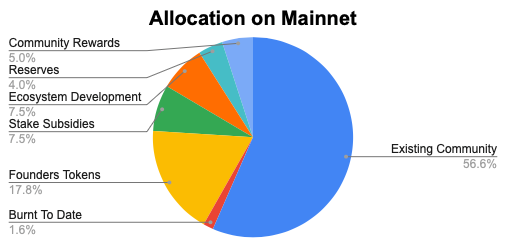
メインネットの循環供給量は約17億2,600万ZIG(全体の69.06%)です。残りはロックされた創業者株式、財団基金、ステーキング補助プールで構成されます。一部の市場トラッカーは約20億の総供給量を報告しており、これは焼却後および移行後の調整を反映しています。
主なリリースとロックアップの詳細:
- 創業者株式:当初、TGEからの5億4,500万ZIGは30か月にわたって線形リリースされる予定でした。チームは自主的にロックアップを3年連続で延長し、現在4億4,500万ZIGが2026年までロックされています。2024年にはさらに1億ZIGがZIGChain財団に寄付され、2025年1月から30か月にわたってエコシステム育成のために線形権利確定されます。
- ステーキング補助金:ネットワークセキュリティを立ち上げるために、プログラムによってバリデーターとデリゲーターに配分されます。排出率はCosmos SDK Mintモジュールとガバナンスパラメーターによって管理されます。
- 財団およびコミュニティプール:エコシステム開発、コミュニティ報酬、準備金のロック解除にはオンチェーンガバナンスの承認が必要であり、不透明な大口送金を防止します。
- インフレ管理:Mintモジュールはステーキング比率に基づいてインフレ率を動的に調整し、セキュリティインセンティブと供給希釈のバランスを取ります。
2025年9月、ZIG関連エンティティはMiCAR準拠のホワイトペーパーを公開し、ZIGをユーティリティトークンとして分類しました。このトークンは所有権、利益分配、または基礎となる物理的資産に対する請求権を付与せず、EU市場コンプライアンスの枠組みを提供します。
ステーキングとバリデーターインセンティブシステムの仕組み
ZIGChainはTendermint BFT PoSコンセンサスで動作し、ステーキングはZIGの経済的セキュリティの基盤です。
バリデーターはフルノードを運用し、ブロックを提案・検証し、委任された総ステーク(自己ステーク+委任)によってランク付けされ、アクティブセットに参加します。手数料を差し引いた後、残りの報酬はデリゲーターに分配されます。
デリゲーターはZIGChain Hub、CLI、または互換性のあるウォレットを介してバリデーターにZIGを委任し、ノードを運用せずに報酬を得られます。バリデーターを選択する際は、手数料率、稼働時間、スラッシング履歴、ガバナンススタンスを考慮してください。
報酬源は以下の通りです。
- ブロック報酬(インフレパラメーターに従ったMintモジュール発行)
- トランザクションからのガス料金シェア
- 財団主導のステーキング補助金(Stake Subsidiesプール)
アンボンディングメカニズム:ステーキング解除後、ZIGは21日間のアンボンディング期間に入り、その間トークンはロックされ報酬は発生しません。アンボンディング完了後にのみ自由な送金が可能です。
スラッシングペナルティ:
- ダブルサイン:ステークの5%がスラッシュされ、アクティブセットから除外
- 長期ダウンタイム:0.01%がスラッシュされ、デリゲーターとバリデーターの両方が負担
2025年12月、ZIGChainのPoSメカニズムはシャリア認証を取得しました。このコンプライアンスフレームワークのもと、バリデーターは「投資代理人(ワカラ)」と定義され、ステーキング報酬は利益分配ロジック(固定金利ではない)に従います。これは中東およびイスラム金融ユーザーにとって重要な差別化要因です。Valdora FinanceのstZIGリキッドステーキング製品により、ユーザーはステーキング利回りを得ながら、流動性レシートを他のDeFiプロトコルで活用でき、エコシステム内でのZIGの資本効率を高めます。
ガバナンスとエコシステムモジュールにおけるZIGの役割
ガバナンス:ZIGはトークン加重投票を使用します。ステーキングされたZIGホルダーは、プロトコルのアップグレード、モジュールパラメーター(例:ModFee率、インフレ率、最大バリデーター数)、コミュニティプール支出に投票できます。デリゲーターはデフォルトでバリデーターの投票を継承しますが、好みのガバナンススタンスを持つバリデーターを選択することもでき、ステーキングの決定をネットワークの長期的な方向性と一致させられます。
モジュールレイヤー:ZIGはチェーンレベルモジュールのネイティブ決済単位です。
- Token Factory:許可なくネイティブトークンを作成(factory/{creator}/{subdenom})。作成および管理操作によりModFeeが発生する可能性があります。
- Exchange Module:オンチェーン取引と流動性操作は、ガスおよびモジュール手数料をZIGで決済します。
- 資産管理エンジン(WME):戦略展開、資本管理、手数料配分はすべて、ZIGを基盤となる価格設定および決済資産として使用します。
ModFee経済ルーティング:これはZIGの重要な価値獲得メカニズムです。モジュール使用量が増えるほどModFee収入が増加します。ガバナンスは、収入を買い戻しと焼却(デフレ的)またはエコロジカル再投資(成長)のいずれかに振り向けるかを決定します。これにより、トークンの供給と需要が純粋な投機ではなく、実際のオンチェーン経済活動に結びつきます。
ZIGChain財団は、エコシステム開発プール(1億8,750万ZIG)とコミュニティ報酬プール(1億2,500万ZIG)を管理しており、どちらもロック解除にはガバナンスの承認が必要です。これらの資金はZIGLabsのインキュベーション、デベロッパーインセンティブ、パートナー統合をサポートし、「モジュール収益+財団助成金+コミュニティガバナンス」という3層のエコシステム資金構造を形成します。
オンチェーン資産管理エコシステムをZIGがどのようにサポートするか
ZIGのオンチェーン資産管理へのサポートは、基盤決済、モジュール抽象化、戦略トークン化の3つのレベルで機能します。
基盤決済:WMEでは、ユーザーが資本を預け入れ、戦略トークンを受け取り、モジュールが自動で複利計算と手数料分配を処理します。これらはすべて、ガスとモジュール手数料としてZIGで決済されます。戦略作成者とファンドマネージャーは、オンチェーン活動を通じて直接ModFeeを生成し、ZIGの経済サイクルに還元します。
モジュール抽象化:WMEはZignalyの利益分配エコシステムロジックを継承し、委任投資、パフォーマンス追跡、手数料ルーティングをチェーンレベルモジュールにエンコードします。これにより、上位層プロトコルの重複開発が削減されます。WMEのネイティブ資産としてのZIGは、戦略トークンとガス経済を単一のチェーンに統合します。
エコシステムシナジー:
- Zamanat:シャリア準拠のRWAトークン化プラットフォーム。オンチェーン活動はZIGでガスを支払います。
- RWAレンディングエンジン(2025年11月、Apex Groupとの提携で開始):RWA担保ローンが取引およびモジュール手数料を生み出し、ZIG需要を高めます。
- Nawa Finance、OroswapなどのネイティブDeFiプロトコルは、流動性および報酬資産としてZIGを使用します。
Zignalyの過去のユーザーベース(60万人以上、150人以上のファンドマネージャー)は、ZIGのオンチェーン資産管理に対する初期需要を提供します。2025年6月のメインネットベータ開始後、ZIGStakeプログラムは終了しました。ユーザーはZIGをメインネットにブリッジし、Hubを介してステーキングする必要があり、トークンをERC-20/BEP-20形式からネイティブメインネット資産に移行し、実際のZIGロックアップと使用を増やします。
ZIGトークンの価値を促進する主要因
ZIGの価格と価値獲得は、複数の側面に依存します。
-
オンチェーン活動とModFee収入:WME戦略作成、Token Factory発行、Exchange取引の量が多いほど、ZIGでのModFee収入が増加します。ガバナンスがこれを一貫して買い戻しと焼却に振り向ける場合、循環供給にデフレ圧力がかかります。
-
ステーキングロックアップ比率:ステーキング比率が高いほど多くのZIGがロックされ、循環供給が減少します。ただし、ステーキング報酬のインフレ的発行は、ロックアップの規模とネットワーク使用量と比較して評価する必要があります。
-
エコシステムの成長と機関パートナーシップ:2026年のZIGChainサミットでは、Circle、Apex Group、Beehive、Taurusが参加しました。RWAレンディング、プライベートクレジットのトークン化、コンプライアンス対応ファンドのオンチェーンイニシアチブの進展が、実際のユーザーと資産を引き付ける場合、ガスおよびモジュール手数料トークンとしてのZIG需要が強化されます。
-
供給リリースのペース:2026年までロックされた創業者株式、財団寄付の線形権利確定、ステーキング補助金のプログラム的発行はすべて、定期的な循環供給に影響を与えます。チームによる複数回の自主的なロックアップは、供給圧力に対する緩衝材となります。
-
市場センチメントと流動性:ZIGはKuCoin、MEXC、Bybit、Kraken、およびメインネット上でネイティブに取引されています。暗号資産市場全体の動向、RWAセクターのセンチメント、取引所の流動性デプスが短期的な価格に影響を与えます。
-
焼却と買い戻しの実行:約4,106万ZIG(当初配分の1.64%)が焼却されました。ModFeeの買い戻しと焼却の頻度と規模は、オンチェーン使用量の強度とガバナンスの決定に依存します。これは長期的な価値サポートの重要な変数です。
ZIGに投資する際に考慮すべきリスク
市場リスク:暗号資産は非常に変動しやすいです。ZIGの価格は、全体的な市場状況、セクターセンチメント、流動性の影響を受けます。一部の2026年のテクニカル分析では、価格が長期移動平均を下回って取引されていることが示されています。独立した分析が不可欠です。
インフレとロック解除リスク:ステーキング補助金は排出を継続し、財団および創業者株式は権利確定スケジュールに従って徐々にリリースされるため、特定の段階で循環供給が増加する可能性があります。公式の排出スケジュールとガバナンス発表を監視してください。
スラッシングと流動性リスク:21日間のアンボンディング期間により、迅速な退出が制限されます。バリデーターのダブルサインや長期ダウンタイムは、委任された資産のスラッシュにつながる可能性があり、慎重なバリデーター選択が重要です。
規制とコンプライアンスリスク:ZIGはMiCARホワイトペーパーを公開していますが、RWAおよびオンチェーン資産管理商品は管轄区域によって異なります。ポリシーの変更は、パートナー機関や製品ローンチのタイムラインに影響を与える可能性があります。
エコシステム実行リスク:メインネットはベータ版であるため、WMEなどのモジュールはまだ反復中です。オンチェーン戦略プロトコルやRWA製品のユーザー成長が期待を下回る場合、ZIGのModFeeと買い戻しサポートは弱まります。
RWAとカウンターパーティリスク:オンチェーンRWAトークンは、資産マッピング、カストディ、法的構造のためにオフチェーンメカニズムに依存しています。特定の製品文書に基づいて評価し、ZIGトークン投資をRWAの信用リスクと混同しないでください。
ユーティリティトークンの位置付け:MiCARホワイトペーパーは、ZIGが所有権や利益分配権を付与しないことを明記しています。その価値は主にオンチェーン機能的需要に由来し、従来の株式や収入権利ではありません。
ZIGエコシステムの長期的な開発可能性
ZIGの長期的な可能性は、ZIGChainの「資産管理特化型L1」としての戦略的ポジショニングに深く結びついています。
短期(2026年):Hubとクロスチェーンブリッジの完成、WMEモジュールの実用化、RWAレンディングとBeehiveプライベートクレジットパートナーシップの実現。ZIGChain Summit 2026は、エコシステムが機関実行フェーズに入ったことを示しています。ModFee収入とステーキングロックアップは、メインネット活動とともに成長すると予想されます。
中期的な方向性:
- シャリアおよびMiCAフレームワークのもとでコンプライアンス対応のRWA商品ラインを拡大。Zamanatなどのプラットフォームがガスおよびモジュール手数料需要を促進。
- IBC/EVMデュアルトラックにより、より多くのデベロッパーと流動性を惹きつけ、Exchange ModuleとToken Factoryの使用頻度が増加。
- 1億ドルのエコシステムファンド(DWF Labs、UDHC Finance、Disrupt.comから)とZIGLabsがネイティブアプリケーションの育成を継続。
- stZIGなどのリキッドステーキング商品が、DeFiポートフォリオにおけるZIGの資本効率を向上。
価値獲得ロジック:RWAとオンチェーン資産管理が拡大し続ければ、ZIGは唯一のネイティブガス、ステーキング、ModFee決済資産として、ネットワーク活動の増加に伴い需要が高まる可能性があります。ModFeeの買い戻しと焼却、およびステーキングロックアップの組み合わせは、「使用駆動型需要+供給調整」の枠組みのもとで、ポジティブサイクルを生み出す可能性があります。逆に、DeFiおよびRWAにおける汎用L1との競合、規制の不確実性、マクロ金利は長期的な変数であり続けます。
Zignalyの実際のユーザーベース、創業者の長期的なロックアップコミットメント、機関パートナーシップ(Apex Groupは数兆の資産を管理、BeehiveはDFSA規制下)は、ZIGエコシステムに差別化されたサポートを提供します。しかし、最終的な価値実現は、実際のオンチェーン経済活動を一貫してModFeeおよびステーキング需要に変換できるかどうかにかかっています。
結論
ZIGのトークンエコノミーの中核ロジックは、ネットワークセキュリティ(ステーキング)、日常使用(ガス)、エコシステム意思決定(ガバナンス)、ビジネス獲得(ModFee)という4つの機能を単一のネイティブ資産に統合することです。これにより、ZIG需要は実際のオンチェーン行動、すなわちWME戦略活動、RWAモジュール使用、DeFiプロトコルインタラクションに結びつきます。25億トークンの固定供給、創業者の長期ロックアップ、ModFeeの買い戻しと焼却オプション、プログラム的なステーキング補助金は、「インフレインセンティブ—デフレ調整—ガバナンス配分」という動的な枠組みを形成します。
ホルダーにとって、ZIGを理解するには、配分とリリースのペース、ステーキング利回りとスラッシングルール、実際のModFeeの実行とガバナンスの決定、そしてWME/RWAエコシステムの実際の採用進捗に同時に注意を払う必要があります。ガス需要とモジュール手数料によって駆動される長期的な価値ロジックを超えて、投資家は市場の変動、ロック解除排出、規制変更、エコシステム実行リスクも考慮しなければなりません。ZIGはZIGChainから独立した投機的資産ではなく、資産エコシステムの経済的ハブです。エコシステムの成長が速く、オンチェーン活動が活発であればあるほど、決済およびインセンティブの核としてのZIGの戦略的価値が実現されます。
共有
内容
トランプ氏、イランの代理勢力による脅威をめぐるNATO首脳会議中に機体を変更
BitMEXはシャットダウン当日に集団訴訟に直面。ユーザーは、清算操作による623 BTCの盗難を主張している
Future Assets が Corbit の 97.15% を買収完了、社名を Digital X に変更
2004年以降、主要経済国ではM2がGDPを上回る成長を記録している。カナダでは、GDP成長が159%であるのに対し、M2は368%上昇した。
ロシア国防省は昨夜の間に、ウクライナの無人機328機を撃墜したと報告した。


関連記事
ONDOトークン経済モデル:プラットフォームの成長とユーザーエンゲージメントをどのように推進するのか

Render、io.net、Akash:DePINハッシュレートネットワークの比較分析

AI分野におけるRenderの申請理由:分散型ハッシュレートが人工知能の発展を支える仕組み

Plasma(XPL)トークノミクス分析:供給、分配、価値捕捉
0xプロトコルの主要コンポーネントは何でしょうか。Relayer、Mesh、APIアーキテクチャの概要をご紹介します。