As the global consumer market continues to mature, the importance of food companies has become increasingly stable. Regardless of economic conditions, people will always need to buy food, which is why consumer staples companies tend to offer strong cash flow stability. This is one of the core reasons GIS has long been considered a "defensive consumer stock."
Meanwhile, trends like health-conscious eating, premium consumption, and the pet economy are reshaping the global food industry. For General Mills, its business model is anchored not just in traditional food sales but in a durable brand moat, robust supply chain capabilities, and a global retail network.
General Mills (GIS) Food Consumer Business Model
GIS's core business model is fundamentally about creating long-term, stable consumer demand through branded food products. For most consumer staples companies, the real challenge isn't just making food—it's staying top-of-mind with consumers. When shoppers walk into a supermarket, they naturally reach for familiar brands over unknown ones. This ingrained habit is the backbone of the GIS business model.
The packaged food industry is also characterized by High Frequency consumption. Breakfast cereals, snacks, ice cream, and pet food are all daily repeat purchases, giving companies a steady and predictable revenue stream.
Unlike industries dependent on one-off transactions, food companies enjoy a key advantage: cash flow stability. Consumers might cut back on electronics, but they rarely stop buying food. This is a major reason GIS holds its defensive qualities over the long term.
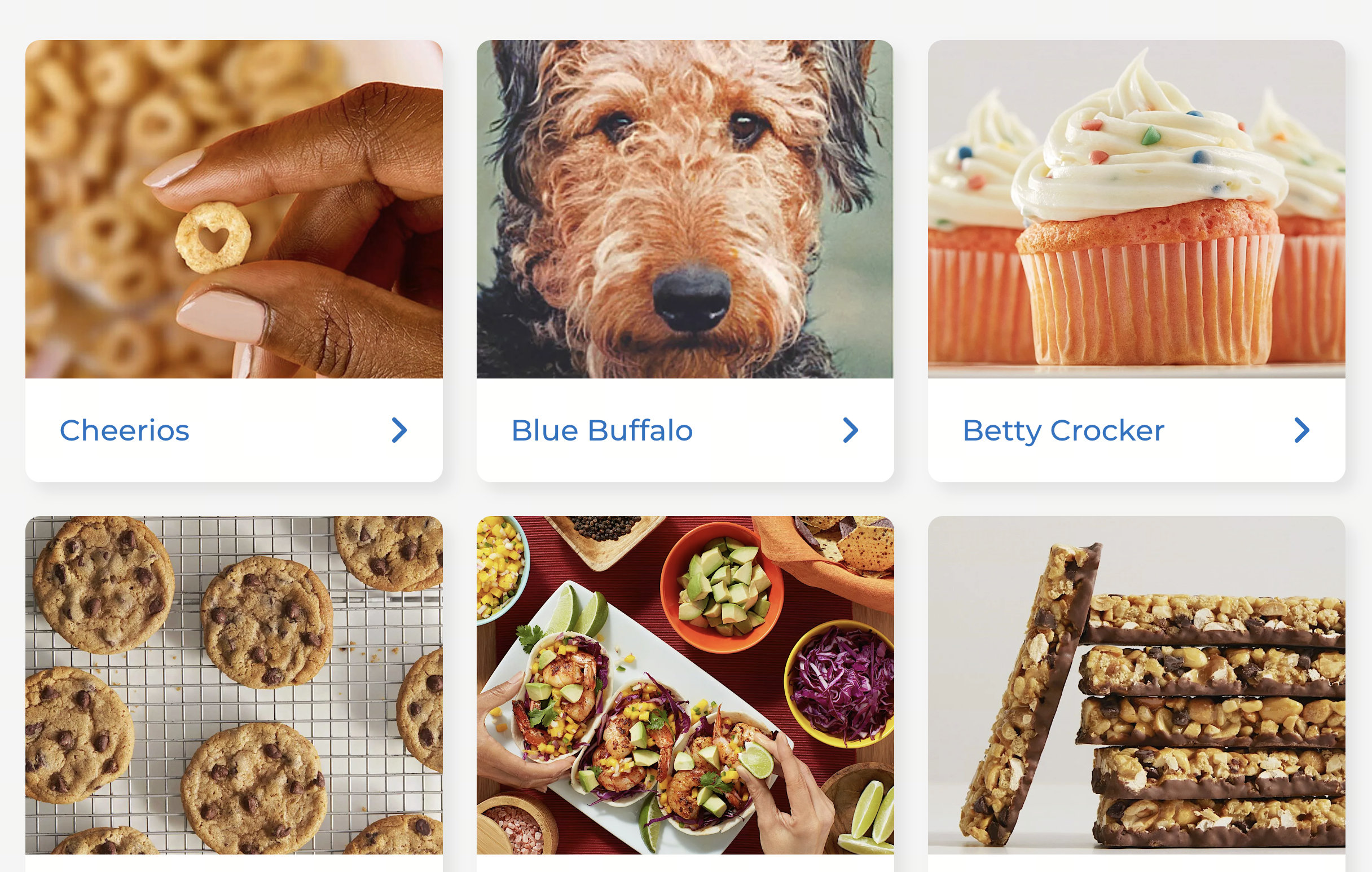
Source: generalmills.com
How General Mills Drives Long-Term Growth Through Brands
Brand is one of General Mills' most powerful competitive advantages.
In the global food industry, the "General Mills brand" has long spanned breakfast, snacks, ice cream, and pet food. Cheerios enjoys top-of-mind recognition in the breakfast cereal aisle, while Häagen-Dazs stands as a globally recognized premium ice cream brand.
This long-term brand building creates a "food brand moat." Consumers are creatures of habit when it comes to food; once a brand preference takes hold, repeat purchases tend to follow naturally.
GIS reinforces its brand power through advertising, distribution channels, and product innovation. Shelf placement in major retailers, ad exposure, and promotional campaigns all shape the final purchase decision.
So the "consumer brand logic" isn't just about selling products—it's about building the kind of lasting brand recognition that drives repeat purchases. That's a critical foundation for General Mills' long-term growth.
How GIS's Supply Chain and Retail System Work
GIS's operations rely heavily on a globalized supply chain and retail network.
Within the GIS supply chain, the company procures massive quantities of raw materials—grains, dairy, sugar, packaging—and processes them through a worldwide production system for food manufacturing and packaging.
The food industry also depends on a "food retail system." General Mills sells primarily through supermarkets, convenience stores, e-commerce platforms, and wholesale channels, making strong retailer relationships essential.
Compared to smaller food companies, GIS has superior global channel coverage. Large retailers prefer long-term partnerships with established brands because they deliver reliable sales volumes.
A scaled supply chain also helps GIS lower transportation, procurement, and production costs, ultimately boosting overall profit margins.
Why Scale Matters for GIS
Scale is one of the most important competitive advantages in the food consumer industry.
Under the "food industry scale effect," large companies wield stronger purchasing power. When GIS buys grains or packaging materials in bulk, it commands lower prices—something smaller competitors can't match.
Logistics and production also benefit from scale. Large food companies reduce unit costs through global factories, automated processes, and efficient distribution networks. This "GIS cost advantage" further lifts profit margins.
Brand scale matters too. In consumer goods, advertising budgets, channel access, and brand visibility take years to build, and large companies are best positioned to sustain global brand operations.
So "consumer goods economies of scale" shape not only cost structures but also a company's long-term market share and competitive edge.
How GIS Is Positioning in Pet Food and Healthy Food
In recent years, pet food and healthy food have become two of the fastest-growing segments in the global consumer market—and GIS is actively expanding in both.
Through its "Blue Buffalo" business, General Mills entered the premium pet food market and has gradually developed it into one of the core growth Zones. As the global pet economy expands, consumers are increasingly willing to pay a premium for high-quality pet food.
At the same time, the "healthy food trend" is reshaping the traditional food industry. Consumers are demanding low-sugar, organic, high-protein, and natural options, forcing large food companies to adapt their product portfolios.
For GIS, this means it can't rely solely on traditional packaged foods. It must continuously evolve to meet new consumer demands. Product upgrades and premiumization are becoming key long-term growth drivers.
As the pet food market continues to grow, the pet economy could become one of GIS's most important growth engines.
Why GIS Is a Classic Defensive Consumer Stock
GIS has long been viewed as a classic "defensive consumer stock," primarily because food demand is inherently stable.
The "consumer staples Zones" cover everyday high-frequency purchases like food, beverages, and household products. Even during economic downturns, consumers don't stop buying these essentials.
So compared to tech or cyclical industries, GIS's revenue tends to be less volatile. No matter the economic climate, people still need breakfast foods, snacks, and pet food.
GIS also generates relatively stable cash flow, supporting its ability to pay dividends over the long term. That's why "high-dividend food stocks" attract long-term capital and defensive-minded investors.
During market turbulence, consumer staples tend to hold up better—another reason GIS carries its defensive label.
What Risks Does the GIS Business Model Face?
Despite its long-term stability, the GIS business model isn't without risks.
First, "food industry risks" include raw material price volatility. Higher costs for grains, dairy, transportation, and packaging can squeeze profit margins.
Second, "consumer goods competition" is intensifying. As health trends take hold, more consumers are cutting back on high-sugar and highly processed foods, which could dampen demand for traditional packaged products.
"GIS risks" also include shifting consumer preferences. Younger consumers favor natural, organic, and functional foods, forcing traditional food companies to keep adjusting their product offerings.
Finally, global inflation can raise operating costs across the food industry. So while consumer staples are relatively stable, GIS must continuously adapt to market shifts and changing consumer tastes.
Summary
GIS is fundamentally a global food consumer company built on brand strength, distribution channels, and stable consumer demand.
Unlike high-volatility industries, General Mills focuses on long-term brand building and consumer habit formation. Whether it's breakfast foods, snacks, or pet food, the core logic is the same: meeting people's ongoing daily consumption needs.
Its global supply chain, scale advantages, and retail network form key competitive barriers. And as the pet economy and health-conscious trends continue to grow, General Mills is evolving from a traditional food company into a more diversified global consumer brand platform.
So GIS doesn't just represent the classic consumer staples business model—it also embodies the food industry's defining traits: long-term stability, defensiveness, and brand-driven growth.
FAQ
How does GIS make money?
GIS generates revenue primarily by selling consumer products like breakfast foods, snacks, ice cream, and pet food.
Why do food companies emphasize brands?
Because consumers tend to repeatedly purchase familiar brands over time, and brand recognition drives loyalty and market share.
Why is GIS considered a consumer staples company?
Because most of its products are everyday high-frequency purchases. Even during economic downturns, people still need to buy food.
What does Blue Buffalo mean for GIS?
Blue Buffalo gave GIS a foothold in the fast-growing premium pet food market and has become a key growth driver.
Why is the food industry defensive?
Because food demand is relatively stable and doesn't drop sharply during economic cycles.
What risks does the GIS business model face?
Key risks include rising raw material costs, changing consumer habits, health and wellness trends, and increasing industry competition.