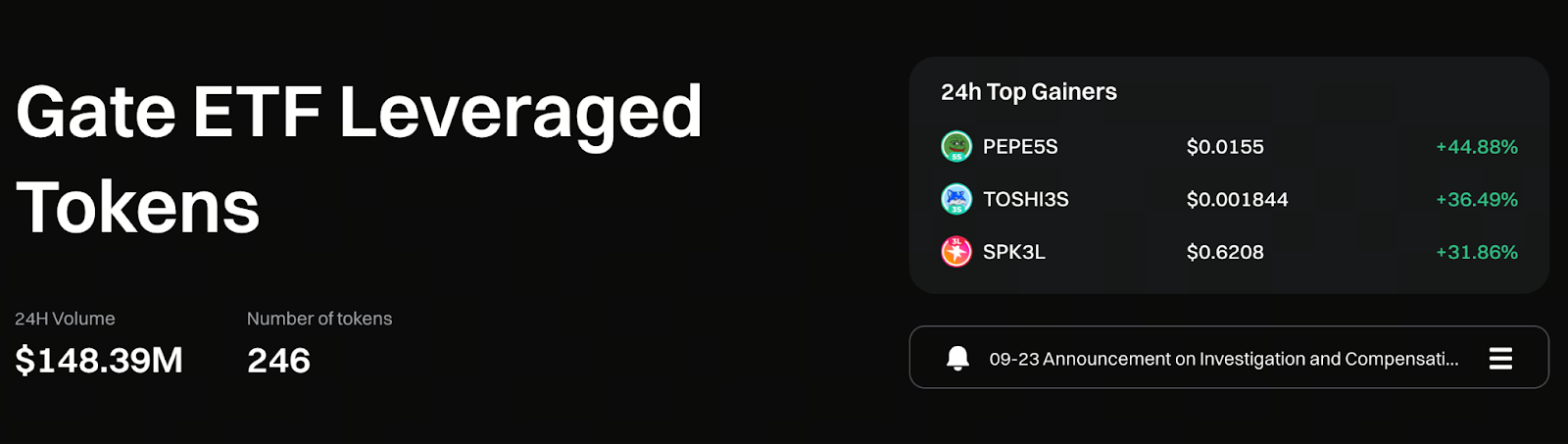
Seiring akselerasi laju pasar, peran alokasi pasif tradisional dari ETF semakin terbatas. Leveraged ETF, sebagai penguat strategi yang menghubungkan spot dan futures, tetap mempertahankan metode perdagangan yang familiar sekaligus meningkatkan efisiensi modal secara signifikan saat terjadi fluktuasi harga. Artikel ini mengulas desain struktural, mekanisme rebalancing, profil risiko, serta strategi optimal untuk Gate Leveraged ETF, guna membekali trader dalam memanfaatkan modal secara efisien dan menerapkan strategi perdagangan fleksibel di siklus pasar jangka pendek.
ETF Berkembang Seiring Dinamika Pasar yang Berubah
ETF secara tradisional dianggap sebagai instrumen yang menurunkan frekuensi perdagangan, dihargai karena kemampuannya mendiversifikasi risiko dan meredam volatilitas. ETF memungkinkan investor berinteraksi dengan pasar tanpa banyak intervensi. Ketika pasar bergerak menuju volatilitas tinggi dan pembalikan jangka pendek yang sering, logika lama untuk sekadar menukar waktu dengan imbal hasil tidak lagi memenuhi kebutuhan perdagangan yang berfokus pada efisiensi dan ritme.
Pada kondisi ini, pengelolaan modal tidak lagi sekadar berapa lama Anda memegang aset, melainkan apakah Anda dapat menyesuaikan eksposur secara real-time. ETF kini bergerak melampaui alokasi pasif; ETF dirancang ulang dan dialihfungsikan sebagai instrumen langsung untuk mengeksekusi strategi perdagangan.
ETF Leverage Menjembatani Kesenjangan antara Spot dan Futures
Di pasar yang bergerak cepat, posisi spot dengan eksposur tunggal sering kali tidak mampu menangkap nilai penuh dari wawasan perdagangan, sementara perdagangan futures tradisional membutuhkan pembelajaran lebih tinggi dan tekanan manajemen risiko secara real-time. ETF leverage berada di antara kedua pendekatan ini. ETF leverage mempertahankan kemudahan operasional seperti perdagangan spot, namun memperbesar dampak pergerakan harga terhadap modal. Bagi kebanyakan trader, ETF leverage tidak dimaksudkan untuk menggantikan spot atau futures—melainkan memperbesar eksposur, menyeimbangkan antara operasi intuitif dan efisiensi strategi.
Fitur Struktur Utama Token ETF Leverage Gate
Token ETF Leverage Gate memperoleh eksposur aktual dari posisi futures perpetual yang dikelola sepenuhnya oleh sistem. Pengguna akan merasakan pengalaman perdagangan yang mirip transaksi token biasa, bukan operasi kontrak.
Struktur ini membuat trader tidak perlu menangani:
Mekanisme Rebalancing Menjaga Eksposur Leverage Tetap Konsisten
ETF leverage bersifat dinamis, bukan statis. Untuk menjaga eksposur aktual tetap dalam rentang leverage yang ditargetkan, sistem secara berkala melakukan rebalancing pada posisi futures yang mendasarinya. Penyesuaian ini tidak terlihat oleh pengguna tetapi sangat penting untuk operasi produk jangka panjang. Dengan demikian, ETF leverage bukan sekadar pengali harga—ETF leverage adalah sistem strategi dinamis, dengan kinerja yang ditentukan oleh jalur pasar dan struktur volatilitas. Trader dapat fokus pada hal utama: mengidentifikasi tren serta waktu masuk dan keluar.
Memperbesar Partisipasi Pasar Tanpa Kontrak Futures
Bagi sebagian trader, tantangan utama bukan leverage itu sendiri, melainkan kontrol risiko real-time yang ketat dalam perdagangan futures. ETF leverage tidak menghilangkan risiko—ETF leverage mengubah risiko menjadi bentuk yang lebih intuitif, dengan fluktuasi harga langsung tercermin pada nilai bersih token.
Desain ini membebaskan trader dari risiko likuidasi atau penutupan paksa, sehingga mereka dapat fokus kembali pada analisis tren dan alokasi modal, serta mengurangi beban psikologis dari risiko operasional.
Efisiensi Modal Meningkat Saat Arah Pasar Semakin Jelas
Pada pasar tren atau unilateral, ETF leverage memperbesar perubahan harga, memungkinkan modal bekerja lebih efisien dalam waktu yang sama. Dikombinasikan dengan rebalancing, produk ini dapat menghasilkan efek akumulasi berkelanjutan selama tren yang menguntungkan. Oleh karena itu, ETF leverage sering digunakan sebagai alat transisi sebelum sepenuhnya mengadopsi strategi leverage—memungkinkan trader menguji ketahanan strategi tanpa menanggung tekanan penuh manajemen risiko kontrak futures sejak awal.
Batasan Struktur yang Perlu Anda Pahami
ETF leverage tidak selalu menguntungkan di setiap kondisi pasar. Ketika tren tidak jelas dan harga berfluktuasi, rebalancing dapat secara bertahap mengikis nilai bersih, menghasilkan hasil yang menyimpang dari ekspektasi intuitif. Imbal hasil akhir bukan sekadar perubahan harga aset yang mendasari dikali leverage—biaya perdagangan, volatilitas, dan jalur harga semuanya mempengaruhi hasil. Untuk alasan ini, ETF leverage umumnya tidak cocok untuk penyimpanan jangka panjang sebagai kendaraan aset.
Biaya Manajemen Harian: Peran dan Tujuan
ETF Leverage Gate mengenakan biaya manajemen harian sebesar 0,1% untuk menutupi biaya penting demi operasi produk yang stabil, termasuk:
Biaya pembukaan dan penutupan kontrak perpetual
Pengeluaran tingkat pendanaan
Biaya lindung nilai dan penyesuaian posisi
Slippage selama rebalancing
Biaya-biaya ini bukanlah biaya tambahan—melainkan elemen fundamental untuk menjaga stabilitas ETF leverage dalam jangka panjang.
Kapan Menggunakan ETF Leverage
ETF leverage bukanlah kendaraan investasi pasif—ETF leverage adalah modul eksekusi strategi. ETF leverage paling cocok digunakan pada strategi dengan pandangan pasar yang jelas, rencana masuk dan keluar yang terdefinisi, serta toleransi terhadap volatilitas jangka pendek—bukan untuk pembelian dan penyimpanan jangka panjang. Ketika pengguna benar-benar memahami struktur, biaya, dan skenario yang sesuai, ETF leverage dapat meningkatkan efisiensi modal secara optimal.
Ringkasan
ETF leverage tidak membuat perdagangan menjadi lebih mudah—ETF leverage membuat eksekusi strategi lebih langsung. ETF leverage memperbesar ayunan harga dan meningkatkan pentingnya setiap keputusan. Bagi trader yang mampu menguasai dinamika pasar dan aktif mengelola risiko, ETF Leverage Gate adalah alat yang kuat untuk meningkatkan efisiensi modal. Namun, mengabaikan fitur struktur dan implikasi biaya dapat menimbulkan risiko di luar ekspektasi.
Penulis: Allen
Pernyataan Formal
* Informasi ini tidak bermaksud untuk menjadi dan bukan merupakan nasihat keuangan atau rekomendasi lain apa pun yang ditawarkan atau didukung oleh Gate.
* Artikel ini tidak boleh di reproduksi, di kirim, atau disalin tanpa referensi Gate. Pelanggaran adalah pelanggaran Undang-Undang Hak Cipta dan dapat dikenakan tindakan hukum.
Falcon Finance merupakan protokol agunan universal DeFi multi-chain. Artikel ini membahas penangkapan nilai token FF, metrik utama, serta roadmap 2026 untuk mengevaluasi potensi pertumbuhan di masa mendatang.
Falcon Finance dan Ethena adalah proyek utama di sektor stablecoin sintetis, mewakili dua pendekatan utama bagi masa depan stablecoin sintetis. Artikel ini mengulas perbedaan desain keduanya dalam mekanisme imbal hasil, struktur agunan, dan pengelolaan risiko, guna membantu Anda memahami peluang serta tren jangka panjang di ekosistem stablecoin sintetis.
Smart Leverage menghilangkan kebutuhan margin dan meniadakan risiko likuidasi, namun hal ini tidak berarti tanpa risiko. Risiko utama berasal dari ketidakpastian keuntungan yang melekat pada mekanisme leverage dinamis, serta potensi erosi keuntungan saat volatilitas pasar, ketergantungan pada jalur pergerakan harga, dan kondisi pasar yang mendatar atau bergejolak. Dalam situasi pasar ekstrem, Nilai Aktiva Bersih (NAB) tetap dapat mengalami fluktuasi signifikan, dan keterbatasan pengguna dalam mengendalikan leverage semakin membatasi fleksibilitas strategi. Pada akhirnya, Smart Leverage tidak mengurangi risiko, melainkan merestrukturisasi risiko. Fitur ini paling tepat digunakan secara strategis oleh mereka yang benar-benar memahami mekanisme dasarnya.
Midnight, yang dikembangkan oleh Input Output Global, merupakan jaringan blockchain berfokus privasi dan menjadi komponen penting dalam ekosistem Cardano. Melalui penerapan zero-knowledge proofs, struktur buku besar dua status, serta fitur privasi yang dapat diprogram, jaringan ini menjaga data sensitif pada aplikasi blockchain tanpa mengurangi aspek keterverifikasian.
Smart Leverage (杠杆无忧) merupakan alat perdagangan berbasis leverage dinamis dan pengendalian risiko otomatis, dengan efektivitas yang sangat bergantung pada kondisi pasar serta cara penggunaan. Di pasar yang sedang tren, Smart Leverage mampu memperbesar keuntungan dengan mengikuti tren utama. Di pasar sideways, mekanisme rebalancing dinamisnya berfungsi mengurangi risiko. Untuk perdagangan jangka pendek, alat ini meningkatkan efisiensi modal. Smart Leverage juga dapat digunakan dalam strategi hedging guna menekan volatilitas portofolio. Namun, Smart Leverage tidak diperuntukkan bagi holding jangka panjang maupun pasar dengan ketidakpastian tinggi. Kunci pemanfaatannya terletak pada "pencocokan skenario + eksekusi strategi."
Midnight, yang dikembangkan oleh Input Output Global, merupakan jaringan blockchain berfokus privasi yang menyediakan fitur privasi terprogram untuk Cardano. Platform ini memungkinkan para pengembang membangun aplikasi terdesentralisasi dengan tetap menjaga kerahasiaan data.