Seiring dengan berkembangnya keuangan terdesentralisasi dan aplikasi on-chain, keterbatasan pada rantai utama semakin jelas terlihat, terutama terkait kapasitas pemrosesan dan volatilitas biaya. Hal ini menjadikan arsitektur penskalaan sebagai prioritas utama dalam evolusi jaringan. Dengan menelusuri kebutuhan skalabilitas, definisi Layer 2, mekanisme inti Rollup, serta perbedaan operasional antara berbagai tipe Rollup, kita dapat memahami peran struktural Layer 2 dalam arsitektur Ethereum secara menyeluruh.
Mengapa Ethereum Membutuhkan Solusi Penskalaan?
Sebagai komputer global terdesentralisasi, Ethereum bergantung pada mekanisme konsensus yang ketat pada mainnet, yang juga dikenal sebagai Layer 1. Akibatnya, jaringan ini hanya dapat memproses sekitar 15 transaksi per detik. Ketika jaringan padat, biaya Gas bisa melonjak ke tingkat yang tidak terjangkau oleh pengguna biasa.
Karena peningkatan Layer 1 seperti sharding berlangsung lambat dan tidak dapat memenuhi kebutuhan jangka pendek, Ethereum mengadopsi roadmap pengembangan yang berfokus pada Rollup. Inti dari pendekatan ini adalah memindahkan sebagian besar komputasi ke luar rantai (off chain) sambil tetap menyimpan data transaksi penting di dalam rantai (on chain). Cara ini secara signifikan meningkatkan throughput sembari menjaga keamanan.
Apa Itu Layer 2?
Layer 2 adalah arsitektur jaringan sekunder yang dibangun di atas Layer 1. Layer ini memproses mayoritas komputasi transaksi di luar rantai dan hanya mengirimkan data terkompresi atau bukti kriptografi ke mainnet. Dengan mewarisi keamanan dan desentralisasi mainnet serta menurunkan biaya dan latensi, Layer 2 memungkinkan penggunaan skala besar yang lebih efisien. Jenis Layer 2 yang umum meliputi sidechain, state channel, dan Rollup.
Jika mainnet Ethereum diibaratkan sebagai pengadilan yang sibuk dan bertugas memberikan putusan akhir serta menjamin keamanan, maka Layer 2 berperan seperti pusat mediasi regional yang menangani perkara sehari-hari. Setelah memproses ribuan kasus, pusat-pusat ini melaporkan ringkasan hasil ke pengadilan, sehingga beban kerja pengadilan berkurang drastis.
Karakteristik utama Layer 2 antara lain:
- Komputasi transaksi dilakukan pada lapisan kedua.
- Penyelesaian status akhir dijamin oleh rantai utama.
- Aset pengguna tetap bergantung pada keamanan mainnet.
Layer 2 bukan blockchain yang berdiri sendiri. Layer ini sangat terintegrasi dengan rantai utama. Rantai utama menyediakan konsensus dan finalitas, sementara Layer 2 menangani eksekusi berfrekuensi tinggi.
Gagasan Utama di Balik Rollup
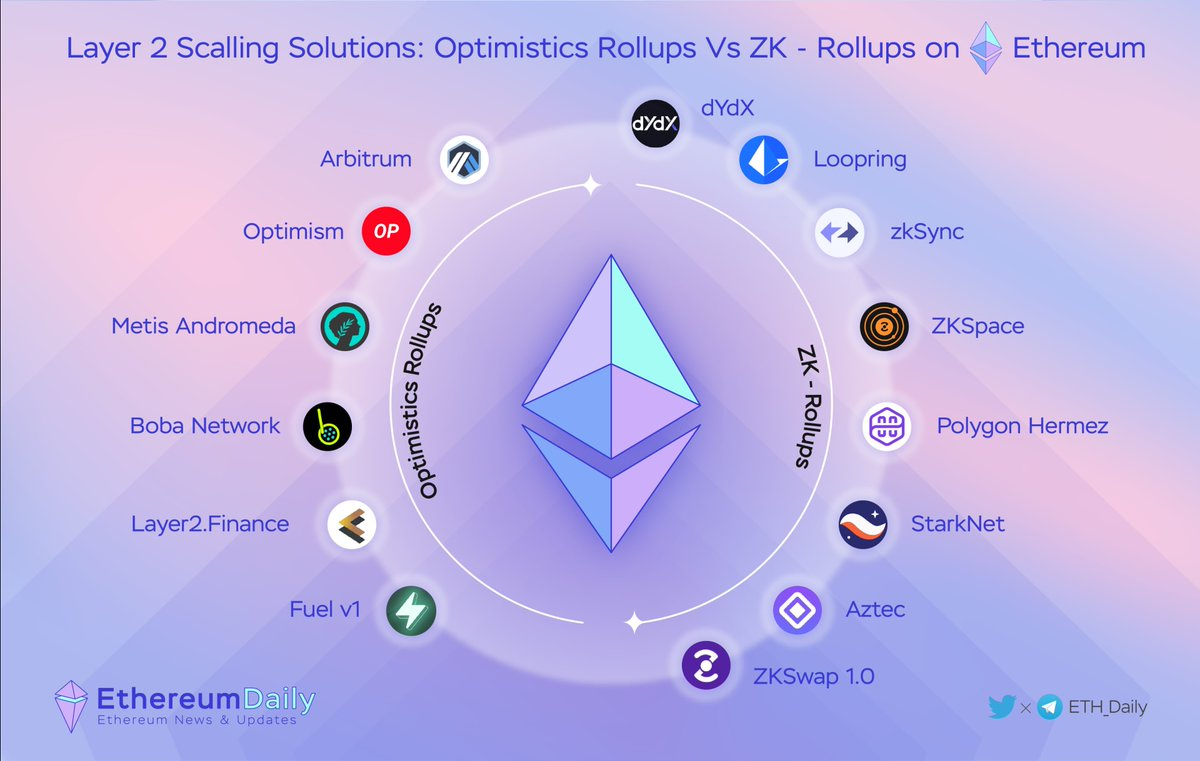
Rollup saat ini merupakan teknologi penskalaan Layer 2 yang paling luas digunakan. Istilah “roll up” berarti menggabungkan dan mengompres sejumlah besar transaksi sebelum dikirimkan ke rantai utama. Rollup umumnya terbagi menjadi dua kategori: Optimistic Rollup dan ZK Rollup.
Gagasan utamanya adalah mengagregasi banyak transaksi ke dalam satu batch, hanya menyimpan data dan informasi verifikasi yang diperlukan di dalam rantai, sehingga throughput meningkat drastis sembari tetap mewarisi keamanan mainnet.
Proses kerjanya secara umum terdiri dari tiga tahap:
- Eksekusi off chain: Transaksi dijalankan secara cepat oleh node Layer 2, menghasilkan status terbaru.
- Agregasi batch: Ratusan hingga ribuan transaksi dikompresi dalam satu batch data, dan root status yang relevan dihitung.
- Pengiriman status: Data batch beserta informasi validitasnya, seperti fraud proof atau zero knowledge proof, dikirimkan ke rantai utama untuk konfirmasi dan penyelesaian akhir.
Dengan arsitektur yang memindahkan “komputasi ke luar rantai dan menambatkan hasil di dalam rantai”, Rollup mampu menyeimbangkan performa dan keamanan yang diwariskan. Rantai utama fokus pada konsensus dan ketersediaan data, sedangkan aktivitas komputasi berfrekuensi tinggi terjadi di Layer 2. Desain ini kini menjadi inti roadmap penskalaan Ethereum.
Bagaimana Cara Kerja Optimistic Rollup
Optimistic Rollup secara default mengasumsikan semua transaksi valid. Sequencer mengumpulkan transaksi pengguna, mengeksekusinya, dan mengirimkan root status baru beserta batch transaksi terkompresi ke mainnet. Selama periode tantangan, biasanya 7 hari, siapa pun dapat mengajukan Fraud Proof. Jika terbukti ada kecurangan, status tidak valid dibatalkan; jika tidak, status menjadi final. Proyek perwakilan antara lain Optimism dan Arbitrum.
Alur prosesnya adalah sebagai berikut:
- Pemicu: Pengguna menginisiasi transaksi, dan Sequencer menerima serta mengurutkannya.
- Asumsi default: Sistem menganggap semua data yang dikirim valid dan tidak memverifikasinya secara real time.
- Mekanisme tantangan: Periode tantangan, biasanya tujuh hari, ditetapkan. Dalam periode ini, validator mana pun yang mendeteksi kecurangan dapat mengajukan Fraud Proof.
- Hasil: Jika tidak ada tantangan yang berhasil, status transaksi menjadi final. Jika tantangan berhasil, pihak yang beritikad buruk dikenakan sanksi dan data yang salah dibatalkan.
Bagaimana Cara Kerja ZK Rollup
ZK Rollup mengandalkan bukti validitas berbasis kriptografi zero knowledge. Sequencer mengeksekusi transaksi di luar rantai, menghasilkan root status baru, dan mengirimkannya ke mainnet beserta ZK proof. Validator di mainnet memverifikasi bukti tersebut secara instan. Karena bukti ini bersifat matematis, tidak dapat dipalsukan, dan tidak membutuhkan periode tantangan. Hal ini memungkinkan konfirmasi hampir seketika. Proyek perwakilan antara lain zkSync dan Starknet. Meskipun sangat efisien, proses pembuatan proof memerlukan komputasi tinggi.
Logika operasionalnya adalah sebagai berikut:
- Verifikasi matematis: Setiap batch transaksi disertai zero knowledge proof, seperti SNARK atau STARK.
- Penyelesaian instan: Smart contract di Ethereum memverifikasi validitas proof tersebut.
- Keamanan: Karena proof matematis tidak dapat dipalsukan, ZK Rollup tidak memerlukan periode tantangan. Penarikan dana lebih cepat dan tingkat keamanannya tinggi.
Model Keamanan dan Ketersediaan Data
Inti keamanan Layer 2 terletak pada ketersediaan data. Artinya, meskipun seluruh node Layer 2 berhenti beroperasi, pengguna tetap dapat merekonstruksi saldo mereka menggunakan data terkompresi yang dipublikasikan di mainnet Ethereum dan menarik dana mereka dengan aman. Inilah alasan Rollup disebut “mewarisi keamanan rantai utama”.
Dari sisi kebenaran komputasi, dua pendekatan Rollup berbeda. Optimistic Rollup mengandalkan fraud proof, sedangkan ZK Rollup bergantung pada validity proof. Keduanya memastikan pembaruan status tetap dapat diverifikasi.
Selain itu, sistem Layer 2 harus memenuhi beberapa properti keamanan utama berikut:
- Kepemilikan aset: Pengguna tetap memegang kendali penuh atas asetnya. Operator Layer 2 tidak dapat secara sepihak membekukan atau menyalahgunakan dana.
- Resistensi sensor: Jika node Layer 2 menolak memproses transaksi, pengguna biasanya dapat mengandalkan mekanisme forced exit di mainnet untuk melindungi asetnya.
Risiko dan Tantangan Layer 2
Walaupun solusi Layer 2 telah mempercepat penskalaan Ethereum, sejumlah isu muncul dalam beberapa tahun terakhir, antara lain kerentanan keamanan berulang, fragmentasi likuiditas, dan nilai ekonomi yang terbatas bagi rantai utama.
Beberapa serangan pada bridge Optimistic Rollup telah menyebabkan kerugian lebih dari satu miliar dolar AS. Pengguna kerap bergantung pada Sequencer terpusat, sehingga menciptakan titik kegagalan tunggal. Fragmentasi likuiditas semakin memperburuk pengalaman pengguna. Modal dalam jumlah besar tersebar di puluhan jaringan Layer 2, biaya bridge antar rantai tetap tinggi, dan lebih dari lima puluh miliar dolar AS total value locked DeFi Ethereum terpusat di Layer 2, sehingga umpan balik ekonomi ke mainnet menjadi terbatas.
Pada Februari 2026, Vitalik Buterin menyarankan agar proyek Layer 2 tidak hanya memasarkan diri sebagai solusi penskalaan. Sebaliknya, mereka harus berfokus pada nilai fungsional yang belum dapat diberikan Layer 1 dalam waktu dekat, seperti transaksi privasi berbasis zero knowledge proof, game, aplikasi sosial, optimasi khusus AI, konfirmasi milidetik, dan use case non-keuangan. Ini menandai pergeseran peran Layer 2 dari sekadar solusi penskalaan menjadi lapisan yang lebih fungsional.
Kesimpulan: Peran Layer 2 dalam Arsitektur Ethereum
Layer 2 adalah komponen krusial dalam strategi penskalaan Ethereum. Tujuannya meningkatkan throughput jaringan dan menurunkan biaya tanpa mengorbankan desentralisasi maupun keamanan. Dengan pemrosesan batch dan kompresi data, Rollup memindahkan komputasi berskala besar ke luar rantai sambil tetap mengandalkan rantai utama untuk penyelesaian akhir.
Optimistic Rollup dan ZK Rollup berbeda dalam model verifikasi dan asumsi finalitasnya, namun keduanya mengusung prinsip arsitektur yang sama: memindahkan komputasi ke luar rantai sembari mewarisi keamanan mainnet.
Secara keseluruhan, Layer 2 merupakan langkah penting dalam perjalanan Ethereum menuju adopsi massal. Dengan mengalihdayakan komputasi kompleks ke Rollup, mainnet Ethereum dapat berfokus pada konsensus yang aman dan terdesentralisasi. Namun, beberapa tahun terakhir juga menunjukkan tantangan seperti fragmentasi likuiditas, kerentanan keamanan, dan pengembalian nilai yang terbatas ke rantai utama. Ke depan, Layer 2 dapat berevolusi dari solusi penskalaan murni menjadi lapisan yang lebih beragam dan berfokus pada inovasi fungsional.
FAQ
Apakah Layer 2 merupakan blockchain independen?
Tidak. Layer 2 bergantung pada rantai utama untuk penyelesaian dan keamanan.
Apakah Rollup beroperasi sepenuhnya independen dari rantai utama?
Tidak. Status akhir tetap harus dikirimkan ke rantai utama untuk konfirmasi.
Mana yang lebih aman, Optimistic Rollup atau ZK Rollup?
Model keamanannya berbeda, tetapi keduanya tetap bergantung pada rantai utama. ZK Rollup menggunakan bukti matematis untuk verifikasi instan, sedangkan Optimistic Rollup mengandalkan periode tantangan untuk memastikan kebenaran.
Apakah penggunaan Layer 2 sepenuhnya menghilangkan biaya Gas?
Tidak. Biaya tidak dapat dihilangkan sepenuhnya, namun umumnya jauh lebih rendah dibandingkan di rantai utama.
Apakah Layer 2 telah menyelesaikan seluruh tantangan skalabilitas Ethereum?
Layer 2 meningkatkan efisiensi transaksi, namun skalabilitas jangka panjang tetap membutuhkan peningkatan protokol dan optimalisasi arsitektur.