Discovery

vip
Age 3.8 Year
Peak Tier 5
Discover crypto with me, shape your future!  ‎
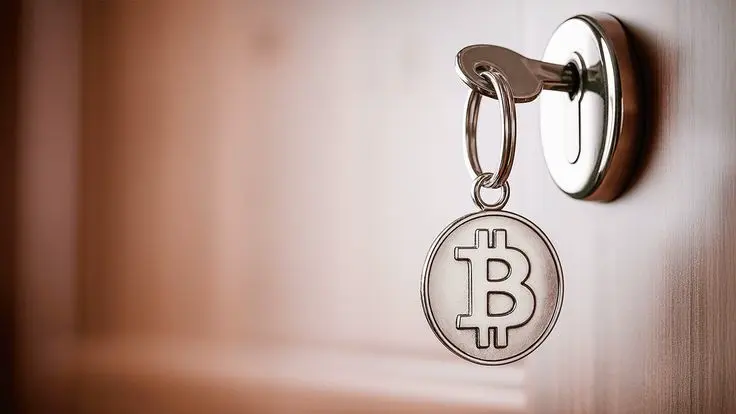
Fannie Mae Accepts Crypto Collateral marks a historic shift in the mortgage sector. A new product has been launched thanks to a partnership between Better Home and Finance and Coinbase. The announcement was made on March 26, 2026, and from that date onwards, crypto-collateralized options will be offered for loans that meet Fannie Mae standards.
Those wishing to buy a home apply for a standard 15 or 30-year mortgage. Instead of cash for the down payment, they secure a separate loan using cryptocurrencies like Bitcoin or USDC as collateral. This structure allows crypto owners to become homeowner
BTC1.45%
User_anyvip
Fannie Mae Accepts Crypto Collateral marks a historic shift in the mortgage sector. A new product has been launched thanks to a partnership between Better Home and Finance and Coinbase. The announcement was made on March 26, 2026, and from that date onwards, crypto-collateralized options will be offered for loans that meet Fannie Mae standards.
Those wishing to buy a home apply for a standard 15 or 30-year mortgage. Instead of cash for the down payment, they secure a separate loan using cryptocurrencies like Bitcoin or USDC as collateral. This structure allows crypto owners to become homeowners without selling their assets. The crypto remains in the Coinbase account and is used as collateral. Importantly, no collateral calls or additional collateral are required during market fluctuations. The only risk is liquidation if the mortgage is delayed by more than 60 days.
The biggest benefit of this product is tax exemption. Since no cryptocurrency is sold, no capital gains tax is paid. Furthermore, the potential for cryptocurrency appreciation is preserved. Stablecoins like USDC can partially cover mortgage payments through interest earnings. Special discounts are also available for Coinbase One members.
This development represents a significant milestone in the integration of cryptocurrency and traditional finance. The involvement of a giant, federally backed institution like Fannie Mae is accelerating crypto adoption. It's reducing the barrier to homeownership, especially for younger generations. In America, 52 million adults own crypto and suffer from a lack of liquid cash. Now, they can convert their digital wealth into home purchases.
In the future, the product may include other digital assets. This innovation expands the housing market and provides liquidity. Risks exist, too. Borrowers should be cautious due to crypto volatility. Nevertheless, this step makes the American dream more accessible.
In conclusion, a new era is dawning for the mortgage sector and the crypto market.
$BTC #FannieMaeAcceptsCryptoCollateral
#CreatorLeaderboard
repost-content-media
  • Reward
  • 24
  • Repost
  • Share
Miss_1903vip:
To The Moon 🌕
View More
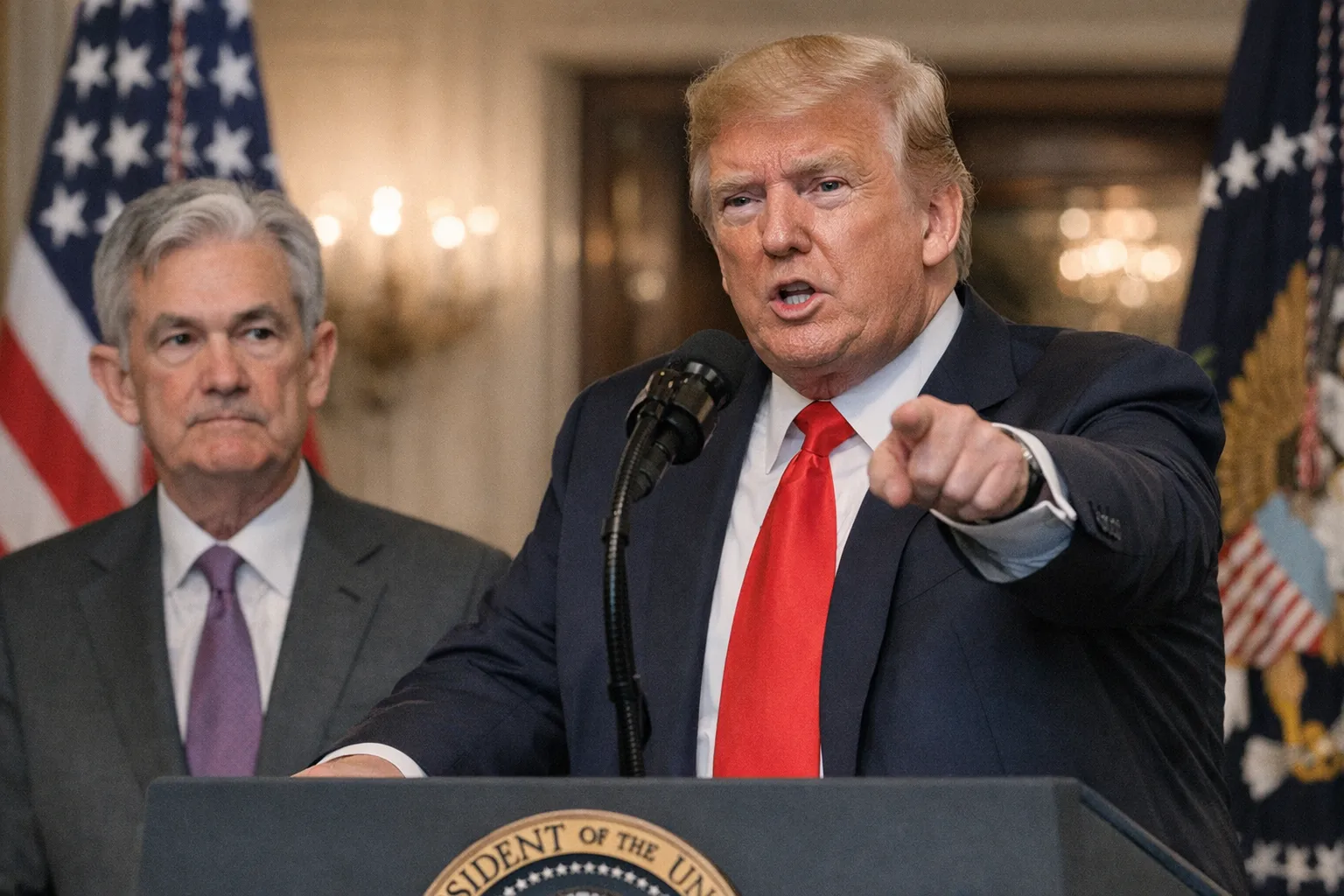
President Trump stated that he expected oil prices to rise further and the stock market to experience a deeper decline, but the movements were milder than anticipated.
Global markets initially reacted with unease after Ukraine launched drone attacks on Russia's second-largest refinery, Kirishi, on March 26 and 27, 2026. Fires broke out in the main units and storage tanks of the facility in the Leningrad region. The refinery was completely shut down, rendering 6.6% of Russia's total refining capacity inoperable. With attacks also targeting the Primorsk and Ust Luga terminals in the Baltic Sea,
User_anyvip
President Trump stated that he expected oil prices to rise further and the stock market to experience a deeper decline, but the movements were milder than anticipated.
Global markets initially reacted with unease after Ukraine launched drone attacks on Russia's second-largest refinery, Kirishi, on March 26 and 27, 2026. Fires broke out in the main units and storage tanks of the facility in the Leningrad region. The refinery was completely shut down, rendering 6.6% of Russia's total refining capacity inoperable. With attacks also targeting the Primorsk and Ust Luga terminals in the Baltic Sea, 40% of Russia's oil export capacity was affected.
In a statement on March 26, President Trump emphasized that despite these developments, the rise in oil prices and stock market movements were not as severe as he had expected. Brent crude oil climbed above $100, reaching $108, but remained far from the $150 forecast. Stock markets also reacted with limited declines. The S&P 500 index fell by 1.7%, but a larger collapse did not occur.
In response, Russia decided to ban gasoline exports starting April 1st. The aim is to stabilize fuel prices in the domestic market and protect stocks. Experts say that supply disruptions can be partially offset by spare capacity in the short term. Trump stated that everything will return to its previous levels and may even fall lower.
This moderate reaction shows that the impact of the energy war on markets has been limited. Global supply risks materialized as Ukraine continued to strike refinery and terminal targets to weaken Russia's war financing. However, the combined effect of tensions in Iran and other factors resulted in less volatility than expected.
As a result, the market reaction is more controlled. President Trump's prediction has been confirmed, and a balanced adjustment is taking place instead of sudden jumps. This soft rise in oil prices is easing both the Russian economy and inflationary pressures globally. Markets will continue to closely monitor developments in the coming days.
#OilPricesResumeUptrend
#CreatorLeaderboard
#TrumpExtendsStrikeDelay10Days
repost-content-media
  • Reward
  • 25
  • Repost
  • Share
Miss_1903vip:
To The Moon 🌕
View More
Goldman Sachs notes that after months of declines in the crypto market, prices may be approaching cyclical lows. In a note dated March 26, 2026, bank analyst James Yaro emphasized that the current pullback is quite close to historical averages. Bitcoin has fallen approximately 46% from its October 2025 peak of $126,000, settling in the $66,000 to $70,000 range. This correction is painting a similar picture in crypto-related stocks.
Crypto-related stocks have fallen around 46% compared to their October 2025 peaks. Goldman Sachs states that this decline makes valuations more attractive. The bank
BTC1.45%
User_anyvip
Goldman Sachs notes that after months of declines in the crypto market, prices may be approaching cyclical lows. In a note dated March 26, 2026, bank analyst James Yaro emphasized that the current pullback is quite close to historical averages. Bitcoin has fallen approximately 46% from its October 2025 peak of $126,000, settling in the $66,000 to $70,000 range. This correction is painting a similar picture in crypto-related stocks.
Crypto-related stocks have fallen around 46% compared to their October 2025 peaks. Goldman Sachs states that this decline makes valuations more attractive. The bank highlights Robinhood, Figure Technologies, and Coinbase among the prominent companies, maintaining a buy recommendation for all three. While raising the price target for Coinbase to $235, it still sees around 35% upside potential. Similarly, it points to attractive entry points for Robinhood and Figure Technologies.
However, Goldman Sachs warns that weakness in trading volumes may persist. Goldman Sachs notes that periods of low volume historically last an average of three months. This could lead to a 2% decrease in revenue and a 4% decrease in profitability in 2026. However, they add that the volume contraction is manageable and a recovery is expected in the second half of the year. The market has been exhibiting volatile but flat performance in recent weeks.
In its overall assessment, Goldman Sachs signals that crypto prices are approaching a cyclical bottom. They state that the historical peak has been reached and the average bottom has been reached, increasing opportunities for long-term investors. However, short-term volume-driven pressures may continue. While this pressure could lead to sudden fluctuations in the Bitcoin price, it could also delay a sustained recovery.
In conclusion, Goldman Sachs' analysis indicates that the market is at a critical juncture. While the correction that has lasted for months conforms to historical norms, selective stock opportunities are emerging. Names like Robinhood Figure and Coinbase are attracting attention during this period. Investors are watching for a volume recovery and are hopefully awaiting the second half of 2026. With this bottom signal, the crypto market is preparing to step into a new cycle.
#BitcoinWeakens
#CreatorLeaderboard
#RangeTradingStrategy
$BTC
repost-content-media
  • Reward
  • 26
  • Repost
  • Share
Miss_1903vip:
To The Moon 🌕
View More
The Strait of Hormuz has been virtually empty in the last 24 hours. According to real-time tracking systems like MarineTraffic, Windward, and Hormuz Strait Monitor, while normally around 60 ships pass through daily, only 1 to 3 ships transited in the last 24 hours. This represents a 1 to 5 percent decrease from the daily average. Oil tankers and commercial vessels have largely come to a standstill. Many ships have either changed their routes or are waiting in Gulf ports. The Iranian Revolutionary Guard's interference with GPS signals and harsh warnings against unauthorized passage have paralyz
User_anyvip
The Strait of Hormuz has been virtually empty in the last 24 hours. According to real-time tracking systems like MarineTraffic, Windward, and Hormuz Strait Monitor, while normally around 60 ships pass through daily, only 1 to 3 ships transited in the last 24 hours. This represents a 1 to 5 percent decrease from the daily average. Oil tankers and commercial vessels have largely come to a standstill. Many ships have either changed their routes or are waiting in Gulf ports. The Iranian Revolutionary Guard's interference with GPS signals and harsh warnings against unauthorized passage have paralyzed traffic.
Politically, the situation is very tense. Following the US and Israeli attacks on Iran, which began on February 28, 2026, Tehran effectively closed the strait. The Iranian Revolutionary Guard only grants passage to authorized ships. Some countries outside of US allies have been given limited passage. For example, Pakistan was given the green light for 20 additional ships, a move described as "the first sign of peace." Similar agreements have been made with countries like Malaysia and Thailand. However, the general rule is clear: the threat of attacks on ships making unauthorized passage continues. Some tankers are routed through a narrow corridor controlled by Iran, and millions of dollars are demanded as a "fee" per passage. The Trump administration is increasing diplomacy and, if necessary, military pressure to open the strait. In the latest development, the deadline Trump gave Iran was extended to April 6.
Strategically, the Strait of Hormuz has become Iran's strongest bargaining chip. This 21-mile-wide narrow passage, which handles 20% of the world's oil and LNG trade, gives Tehran the power to control global energy flows. Iran uses this advantage to finance the war and create pressure at the negotiating table. It is also threatening the Bab el-Mandeb Strait in coordination with the Houthis. The US is trying to revive traffic with multinational patrol and escort ships. However, the risk of Iranian mine-laying and drone attacks remains high. Traffic has almost completely stopped at the narrowest point of the strait.
The economic impact is global. Brent crude oil rose above $91, registering a 4% daily increase. Inflationary pressure has increased as a significant portion of the world's oil supply has been cut off. The International Energy Agency has decided to release 400 million barrels of oil from emergency reserves. Cargo insurance and freight costs have skyrocketed. LNG and oil shipments to Asia have been largely disrupted. Goldman Sachs and other institutions have lowered their 2026 growth forecasts. If the short-term supply shock persists, the risk of recession is also increasing.
In conclusion, the latest 24-hour traffic data in the Strait of Hormuz reveals the most critical front in this conflict. Iran is both generating revenue and maintaining pressure by allowing selective passage. The Trump administration, meanwhile, is seeking a balance between diplomacy and deterrence. Ship traffic remains at a minimum level and could be completely halted at any moment by new tensions. While global energy markets await the opening of this bottleneck, political and strategic uncertainty is increasing economic costs daily. The situation is being closely monitored because the fate of the strait directly affects not only the Middle East but the entire global economy.
#OilPricesResumeUptrend
#TrumpExtendsStrikeDelay10Days
#USIranClashOverCeasefireTalks
  • Reward
  • 25
  • Repost
  • Share
ybaservip:
To The Moon 🌕
View More
Attention in the crypto market has once again turned to Worldcoin. The project, which has long followed a relatively quiet and controlled distribution strategy, has become a subject of renewed discussion due to high-volume transactions in recent days.
According to the latest data, Worldcoin sold approximately 226.43 million WLD tokens through OTC (over-the-counter) transactions in just 9 days. This sale generated approximately 63 million USDC. The transfer of 35.8 million USDC of these funds to the Circle platform has been interpreted by market participants as "preparation for a return to fiat
WLD5.75%
FLOW-3.39%
User_anyvip
Attention in the crypto market has once again turned to Worldcoin. The project, which has long followed a relatively quiet and controlled distribution strategy, has become a subject of renewed discussion due to high-volume transactions in recent days.
According to the latest data, Worldcoin sold approximately 226.43 million WLD tokens through OTC (over-the-counter) transactions in just 9 days. This sale generated approximately 63 million USDC. The transfer of 35.8 million USDC of these funds to the Circle platform has been interpreted by market participants as "preparation for a return to fiat."
This development is not actually the beginning of an entirely new strategy. For about two years, Worldcoin has been releasing its token supply in a controlled manner, working with liquidity providers. Small, regular sales, particularly through large market makers like Flow Traders and Wintermute, aimed to minimize pressure on the price.
However, the latest transaction is significantly different from the previous model. The fact that a single, high-volume OTC transfer was carried out instead of piecemeal sales has attracted market attention. While such large transactions don't usually directly impact exchanges and therefore may not have an immediate short-term price effect, it is thought that they could increase supply pressure in the long term.
Analysts note that this move could have several implications:
The need to generate liquidity to cover the project's operational expenses
A planned distribution to early investors or partners
A broader financial restructuring process
On the other hand, the transfer to Circle, the issuer of USDC, is particularly noteworthy. Such transfers are often seen as one of the final steps before crypto assets are transferred to the traditional financial system.
From a market perspective, while this development creates uncertainty in the short term, it could initiate a period of closer scrutiny of Worldcoin's token economics and supply management strategy in the long term. Investors, in particular, are closely watching whether such large-scale OTC transactions will continue and how this will affect price dynamics.
In conclusion, this major move, following a long period of "quiet and controlled" distribution, could mark the beginning of a new phase for Worldcoin. In the coming days, both on-chain data and official statements will shed more light on the true purpose of this move.
#RangeTradingStrategy
$WLD
repost-content-media
  • Reward
  • 31
  • 1
  • Share
GateUser-1cd076a3vip:
LFG 🔥
View More
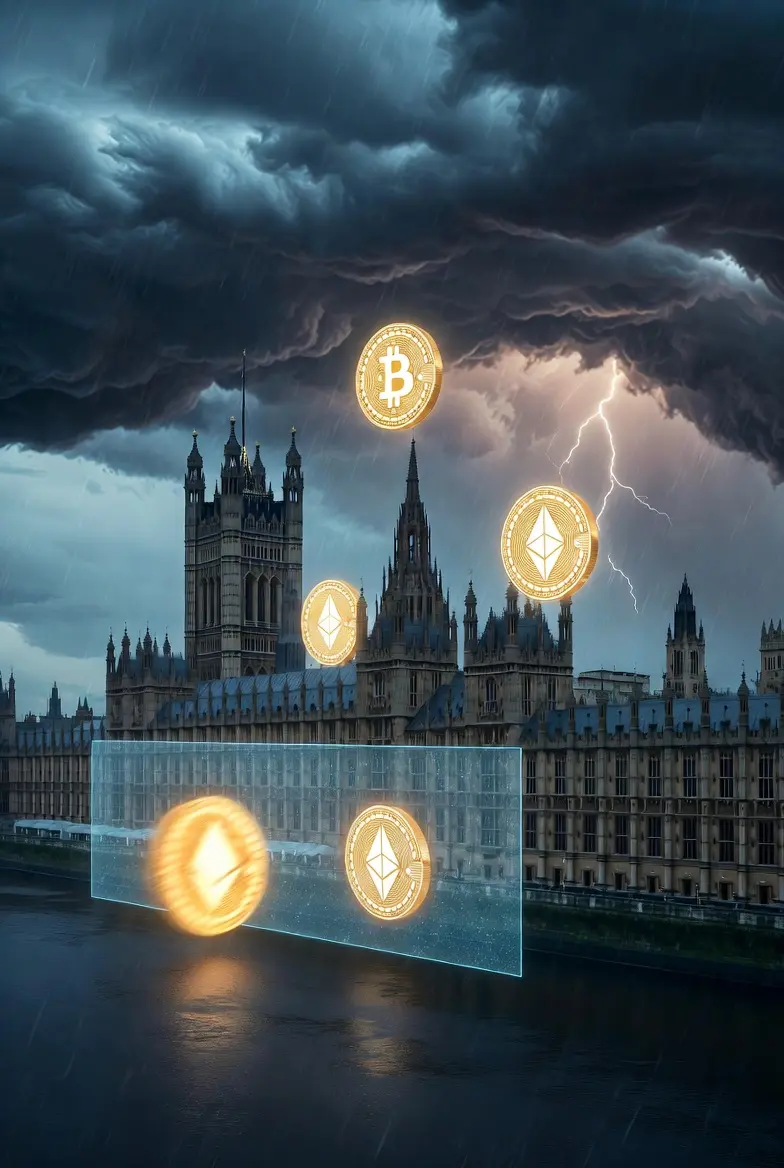
#UKToSuspendCryptoPoliticalDonations
In a move set to reshape political campaign funding, the United Kingdom government has announced plans to suspend all cryptocurrency donations to political parties and candidates. This suspension comes amid growing concerns over transparency, regulatory compliance, and potential misuse of digital assets in political financing.
Crypto donations have been legal in limited circumstances, but recent investigations and public scrutiny have raised questions about the origin of funds, anonymity, and potential influence of foreign actors. Lawmakers argue that the
BTC1.45%
CryptoDiscoveryvip
#UKToSuspendCryptoPoliticalDonations
In a move set to reshape political campaign funding, the United Kingdom government has announced plans to suspend all cryptocurrency donations to political parties and candidates. This suspension comes amid growing concerns over transparency, regulatory compliance, and potential misuse of digital assets in political financing.
Crypto donations have been legal in limited circumstances, but recent investigations and public scrutiny have raised questions about the origin of funds, anonymity, and potential influence of foreign actors. Lawmakers argue that the risks associated with untraceable digital contributions outweigh the benefits of accepting innovative funding methods.

The temporary suspension will apply immediately while the Electoral Commission and the UK Treasury review current regulations to establish robust guidelines for digital contributions. Officials emphasized that the suspension is not a permanent ban but a necessary measure to protect the integrity of political campaigns. (
Political analysts say this move could have a significant impact on parties and candidates that have embraced cryptocurrency donations as a way to engage younger voters and tech-savvy communities. Many campaigns leveraged crypto to expand donor outreach globally, making the suspension a challenge to fundraising strategies.
Lawmakers cite concerns that crypto donations could potentially be used to circumvent campaign finance laws, launder money, or inject foreign influence into domestic politics. Digital assets' pseudonymous nature makes tracing the source of funds inherently difficult compared to traditional banking methods.
The Treasury is expected to propose new reporting requirements and transparency standards, which could include mandatory disclosure of wallet addresses, donor identities, and transaction histories. This aligns with broader efforts globally to ensure crypto is integrated into regulated financial systems without compromising legal oversight.
The crypto community has responded with mixed reactions. Some argue that the move is overly cautious and could stifle innovation, while others acknowledge the need for careful oversight to maintain trust in democratic processes.
Financial technology experts suggest that new measures could create a blueprint for regulated crypto donations worldwide, balancing innovation with transparency. The suspension may also drive political campaigns to explore other blockchain-based compliance solutions, such as smart contract verification and on-chain audit trails.
This development highlights the broader challenge of integrating cryptocurrency into sensitive sectors like politics, where security, legality, and public perception play critical roles.
In the coming weeks, all political parties are expected to halt accepting crypto contributions until new regulations are formalized. Campaign finance teams are already adjusting strategies to maintain donor engagement without relying on digital currencies.
The UK’s decision underscores a growing global trend: governments are seeking to define clear rules for digital assets in areas that intersect with public trust, national security, and financial integrity#CreatorLeaderboard $BTC ‌.
  • Reward
  • 24
  • Repost
  • Share
ybaservip:
2026 GOGOGO 👊
View More
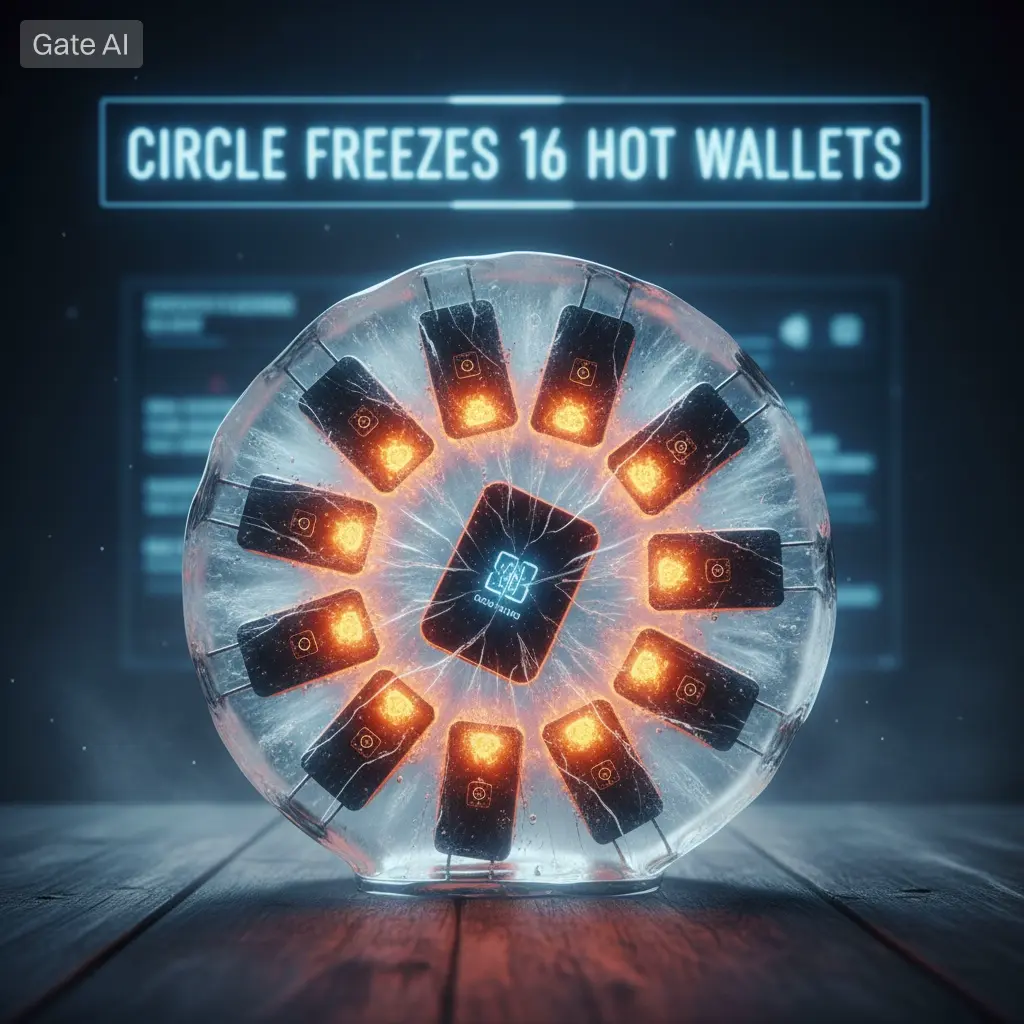
#CircleFreezes16HotWallets
Circle, the issuer of USDC stablecoin, has announced the freezing of 16 hot wallets following suspicious activity that raised compliance and security concerns. This proactive measure highlights the growing importance of risk management and regulatory oversight in the cryptocurrency space.
Hot wallets, which are connected to the internet for ease of transactions, are inherently more vulnerable to hacks, fraud, and illicit use. By freezing these wallets, Circle aims to prevent unauthorized transfers, protect users, and comply with financial regulations.
This developme
BTC1.45%
GT0.76%
ETH3.05%
CryptoDiscoveryvip
#CircleFreezes16HotWallets
Circle, the issuer of USDC stablecoin, has announced the freezing of 16 hot wallets following suspicious activity that raised compliance and security concerns. This proactive measure highlights the growing importance of risk management and regulatory oversight in the cryptocurrency space.
Hot wallets, which are connected to the internet for ease of transactions, are inherently more vulnerable to hacks, fraud, and illicit use. By freezing these wallets, Circle aims to prevent unauthorized transfers, protect users, and comply with financial regulations.
This development reflects a broader trend in the crypto industry: stablecoin issuers and major exchanges are tightening controls to maintain trust and ensure transparency. Such measures are crucial as regulators globally continue to scrutinize digital assets and their use in transactions.
For users, this serves as a reminder to exercise caution when dealing with hot wallets, ensure proper security protocols, and follow compliance guidelines to safeguard assets.
The freezing action also underscores the importance of centralized oversight even in decentralized ecosystems. While blockchain transactions are transparent, enforcement and control mechanisms are essential to prevent misuse.
The crypto community is watching closely, as actions like this could set precedents for how stablecoin issuers and other platforms handle suspicious activity in the future.#CreatorLeaderboard $BTC $GT $ETH
  • Reward
  • 20
  • 1
  • Share
ybaservip:
2026 GOGOGO 👊
View More
CoinKarma: Bitcoin's Pullback from $76K Sets the Stage for a Short-Term Rebound
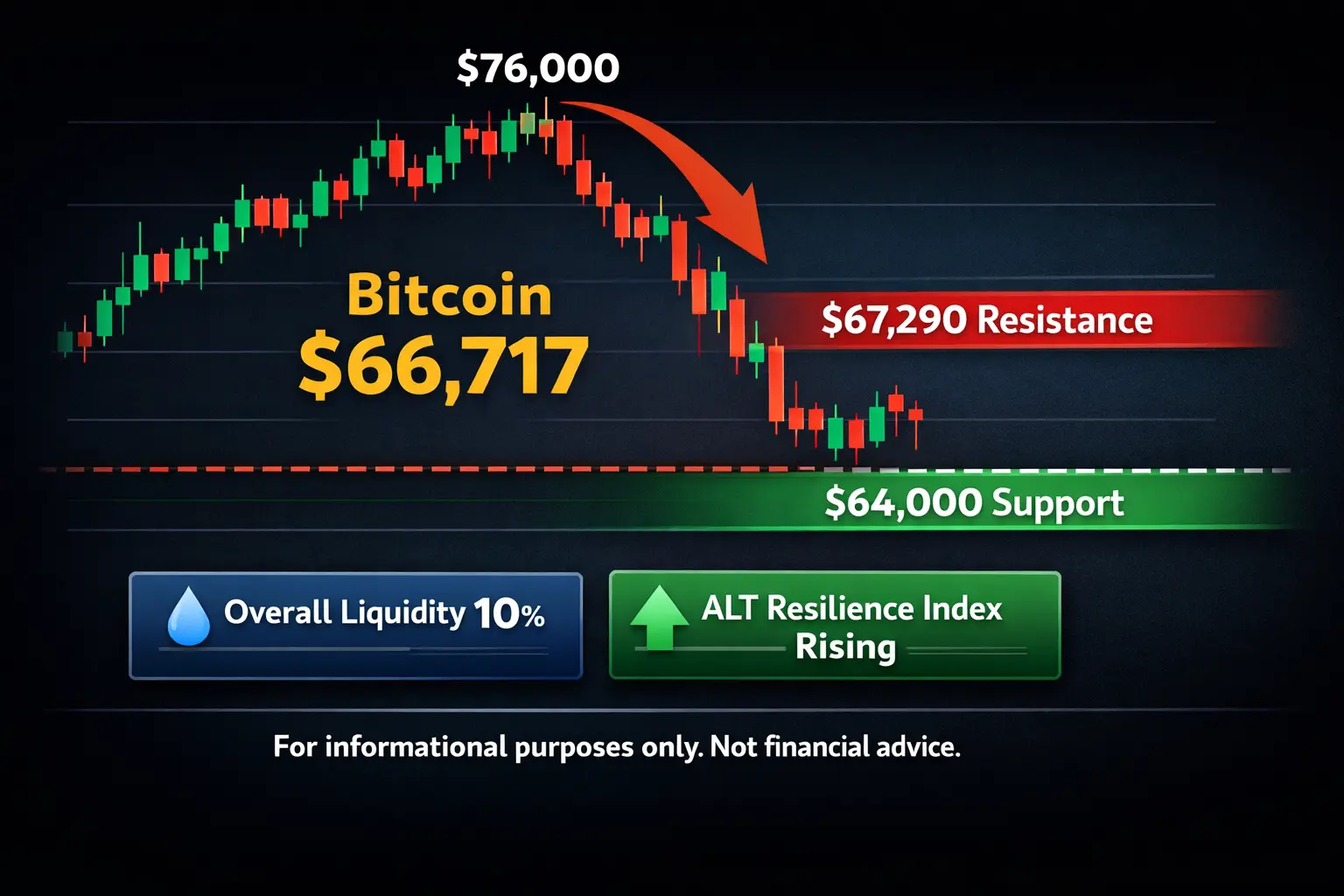
March 29, 2026 — Cryptocurrency trading indicator platform CoinKarma has flagged a notable technical signal: following Bitcoin's pullback from the $76,000 level, two key internal market metrics — Overall Liquidity (10%) and the ALT Resilience Index — have once again entered a state of significant resonance, suggesting short-term bottom formation conditions are in place.
———
What the Indicators Are Saying
CoinKarma's framework tracks internal market dynamics rather than relying solely on price action. According to i
BTC1.45%
xxx40xxxvip
CoinKarma: Bitcoin's Pullback from $76K Sets the Stage for a Short-Term Rebound
March 29, 2026 — Cryptocurrency trading indicator platform CoinKarma has flagged a notable technical signal: following Bitcoin's pullback from the $76,000 level, two key internal market metrics — Overall Liquidity (10%) and the ALT Resilience Index — have once again entered a state of significant resonance, suggesting short-term bottom formation conditions are in place.
———
What the Indicators Are Saying
CoinKarma's framework tracks internal market dynamics rather than relying solely on price action. According to its latest reading, when the 10% Overall Liquidity metric and the ALT Resilience Index move in tandem — what the platform calls "significant resonance" — the market has historically shown a high probability of forming a short-term bottom within the current oscillation range.
The current setup mirrors previous instances where this dual-indicator signal preceded a rebound, making it one of the more closely watched patterns among on-chain and liquidity-focused analysts.
———
Where Bitcoin Stands Right Now
BTC is currently trading at $66,717, consolidating after its retreat from the $76,000 high.
| Timeframe | Performance |
|---|---|
| 24 hours | +0.25% |
| 7 days | -5.90% |
| 30 days | -0.39% |
| 90 days | -24.61% |
The 90-day drawdown confirms the broader correction context. However, the stabilization in the 30-day figure — just -0.39% — alongside CoinKarma's liquidity signal suggests the market may be finding its footing in the mid-$60,000s.
———
The Altcoin Angle
The ALT Resilience Index is particularly significant here. Altcoin markets tend to be the first to crack under genuine selling pressure and the first to recover when liquidity returns. When altcoin resilience holds up — or recovers — during a Bitcoin consolidation, it is often read as a signal that broader risk appetite has not collapsed.
The fact that both the liquidity and altcoin resilience metrics are resonating simultaneously strengthens the case for a near-term recovery attempt, at least within the current range.
———
What to Watch
CoinKarma's signal points to a probability, not a certainty. Key levels to monitor:
• Resistance: $67,290 (24-hour high) and the $70,000 psychological level
• Support: $66,130 (24-hour low) and the broader $64,000–$65,000 range
• Invalidation: A decisive break below $64,000 would challenge the short-term rebound thesis
For now, the internal market structure — as read by CoinKarma — is leaning toward recovery rather than further deterioration.
———
Source: BlockBeats, March 29, 2026. Price data as of time of writing.
This content is for informational purposes only and does not constitute investment advice. Crypto assets and digital financial products are subject to high volatility and uncertainty.
#RangeTradingStrategy #BitcoinWeakens #CircleFreezes16HotWallets #Web3SecurityGuide
repost-content-media
  • Reward
  • 19
  • Repost
  • Share
GateUser-68291371vip:
Hold tight 💪
View More
Hong Kong & South Korea Launch Web3 Policy Alliance
Hong Kong Legislative Council member Wu Jiezhuang and South Korean National Assembly members have officially established the "Hong Kong-Korea Web3 Policy Promotion Alliance" — a cross-border coordination body aimed at aligning digital asset regulations between the two jurisdictions.
The initiative was formalized on March 23 via a live-streamed kickoff event. South Korean lawmaker Min Byung-deok was among the key attendees.
The alliance's core agenda covers four areas:
• Token issuance standards
• Exchange oversight
• Custody rules
• Cross-bor
xxx40xxxvip
Hong Kong & South Korea Launch Web3 Policy Alliance
Hong Kong Legislative Council member Wu Jiezhuang and South Korean National Assembly members have officially established the "Hong Kong-Korea Web3 Policy Promotion Alliance" — a cross-border coordination body aimed at aligning digital asset regulations between the two jurisdictions.
The initiative was formalized on March 23 via a live-streamed kickoff event. South Korean lawmaker Min Byung-deok was among the key attendees.
The alliance's core agenda covers four areas:
• Token issuance standards
• Exchange oversight
• Custody rules
• Cross-border KYC/AML compliance
The timing reflects a pivotal regulatory moment in Asia. South Korea's 2026 Economic Growth Strategy includes spot crypto ETF approvals and a new Digital Asset Act requiring stablecoin issuers to maintain 100% reserves with guaranteed user redemption rights — with stablecoin legislation expected to be finalized in Q1 2026. Hong Kong, meanwhile, has already implemented its Stablecoins Ordinance (effective August 2025) and operates one of Asia's most mature virtual asset licensing regimes.
The core thesis: coordinated regulation is a stronger competitive advantage than going it alone. As the U.S. SEC and CFTC finalize crypto classification frameworks and the EU advances its own standards, Northeast Asia is positioning for a unified regulatory front.
The alliance will be judged by its deliverables — joint policy statements, working group outputs, and concrete harmonization proposals.
———
For informational purposes only. Not investment advice.
#Web3安全指南 #StablecoinDeYieldDebateIntensifies #RangeTradingStrategy
repost-content-media
  • Reward
  • 18
  • Repost
  • Share
ybaservip:
To The Moon 🌕
View More
  • Reward
  • 17
  • Repost
  • Share
GateUser-68291371vip:
Hold tight 💪
View More
#CircleFreezes16HotWallets The cryptocurrency industry has once again been shaken by a major development: the freezing of 16 hot wallets by Circle. This decisive action has ignited intense debate across the digital asset ecosystem, raising critical questions about decentralization, regulatory compliance, and the future of financial sovereignty in blockchain networks.
As one of the leading issuers of stablecoins—particularly USD Coin (USDC)—Circle’s actions carry significant weight. The freezing of wallets is not just a technical move; it is a powerful signal about how centralized control mecha
DEFI-4.73%
Yunnavip
#CircleFreezes16HotWallets The cryptocurrency industry has once again been shaken by a major development: the freezing of 16 hot wallets by Circle. This decisive action has ignited intense debate across the digital asset ecosystem, raising critical questions about decentralization, regulatory compliance, and the future of financial sovereignty in blockchain networks.
As one of the leading issuers of stablecoins—particularly USD Coin (USDC)—Circle’s actions carry significant weight. The freezing of wallets is not just a technical move; it is a powerful signal about how centralized control mechanisms are being applied within a supposedly decentralized financial system.
What Happened: The Freezing of 16 Hot Wallets
Circle confirmed that it had frozen 16 hot wallets linked to suspicious or potentially illicit activity. Hot wallets, which are connected to the internet and used for frequent transactions, are inherently more vulnerable to hacks, exploits, and unauthorized access.
The freeze effectively rendered the funds in these wallets inaccessible, preventing any further transfers or withdrawals. While Circle did not disclose all operational details, such actions are typically taken in response to:
Regulatory requests
Law enforcement investigations
Detection of suspicious transaction patterns
Links to hacks, fraud, or sanctions violations
This move highlights the increasing role of centralized oversight in crypto infrastructure.
Understanding Hot Wallet Risks
Hot wallets play a crucial role in crypto liquidity and accessibility, but they come with inherent risks:
Exposure to cyberattacks: Being online makes them prime targets for hackers
Private key vulnerabilities: Compromised keys can lead to instant fund loss
Operational weaknesses: Exchanges and custodial services often rely on hot wallets for daily transactions
By freezing these wallets, Circle likely aimed to contain risk and prevent further damage, especially if the wallets were tied to an ongoing exploit or breach.
The Role of USDC in the Global Crypto Economy
USD Coin is one of the most widely used stablecoins in the world, pegged to the US dollar and backed by reserves. It is heavily utilized in:
Decentralized finance (DeFi) protocols
Centralized exchanges
Cross-border payments
Trading pairs across crypto markets
Because of its scale and trust, any action involving USDC—especially wallet freezes—has ripple effects across the entire ecosystem.
Centralization vs Decentralization: The Core Debate
This incident has reignited one of the oldest debates in crypto:
Is Crypto Truly Decentralized?
On one hand, blockchain technology promises censorship resistance and user control. On the other, assets like USDC are issued and managed by centralized entities like Circle.
The ability to freeze wallets demonstrates that:
Stablecoins can be controlled at the issuer level
Transactions can be restricted despite blockchain transparency
Users do not have absolute control over their funds
For some, this is a necessary compromise for security and regulatory compliance. For others, it represents a fundamental contradiction of crypto principles.
Regulatory Pressure and Compliance
Circle operates within a regulated financial framework, particularly in the United States. This means it must comply with:
Anti-Money Laundering (AML) laws
Know Your Customer (KYC) regulations
Sanctions enforcement
Law enforcement directives
The wallet freeze likely reflects increasing global pressure on crypto firms to align with traditional financial regulations.
Governments and regulators are paying closer attention to stablecoins due to their growing role in global finance. Actions like this may become more common as oversight intensifies.
Market Reaction and Investor Sentiment
Events like wallet freezes can have mixed effects on the market:
Positive Reactions
Increased trust in compliance and security
Confidence among institutional investors
Reduced risk of illicit activity
Negative Reactions
Fear of centralized control
Concerns over asset censorship
Potential loss of user autonomy
For traders and investors, this creates a complex landscape where security and freedom are constantly being balanced.
Security Implications for Crypto Users
This incident serves as a strong reminder for users to rethink their security strategies:
Avoid keeping large funds in hot wallets
Use cold storage for long-term holdings
Diversify across multiple wallets
Stay informed about platform policies
Even though blockchain transactions are immutable, access to funds can still be restricted under certain conditions.
The Bigger Picture: A Maturing Industry
The freezing of 16 wallets is not just an isolated event—it is part of a broader trend toward the institutionalization of crypto.
We are witnessing a shift where:
Compliance is becoming standard
Security measures are tightening
Centralized entities are gaining influence
Governments are actively shaping the ecosystem
This evolution suggests that crypto is moving closer to traditional finance, rather than operating entirely outside of it.
Future Outlook
Looking ahead, several key developments are likely:
1. Increased Transparency
Companies may provide clearer explanations for enforcement actions to maintain user trust.
2. Hybrid Models
The industry may adopt systems that balance decentralization with regulatory compliance.
3. Rise of Decentralized Alternatives
Users concerned about control may shift toward fully decentralized stablecoins and platforms.
4. Stronger Security Standards
Wallet management practices will continue to evolve, reducing risks associated with hot wallets.
Final Thoughts
The decision by Circle to freeze 16 hot wallets marks a critical moment in the evolution of cryptocurrency. It underscores a reality that many investors are beginning to accept:
Crypto is no longer just about decentralization—it is about navigating the intersection of technology, security, and regulation.
While the ideals of financial freedom remain central to the crypto vision, practical considerations are shaping how that vision is implemented in the real world.
For users, investors, and institutions alike, the message is clear:
understanding the balance between control and compliance will be essential in the next phase of the digital asset revolution.
repost-content-media
  • Reward
  • 15
  • Repost
  • Share
GateUser-68291371vip:
Hold tight 💪
View More
#UKToSuspendCryptoPoliticalDonations
Politics and crypto have always been flirtatious.
Now the UK is drawing a line in the sand.
United Kingdom moving to suspend crypto political donations isn’t about censorship — it’s about control and transparency.
The surface narrative frames it as regulation catching up.
The deeper truth? Governments are realizing that blockchain’s transparency isn’t always convenient for politics.
Crypto donations weren’t just money.
They were influence, anonymity, and speed rolled into one.
And that combination makes regulators uncomfortable.
Read between the lines:
Pol
Crypto_Buzz_with_Alexvip
#UKToSuspendCryptoPoliticalDonations
Politics and crypto have always been flirtatious.
Now the UK is drawing a line in the sand.
United Kingdom moving to suspend crypto political donations isn’t about censorship — it’s about control and transparency.
The surface narrative frames it as regulation catching up.
The deeper truth? Governments are realizing that blockchain’s transparency isn’t always convenient for politics.
Crypto donations weren’t just money.
They were influence, anonymity, and speed rolled into one.
And that combination makes regulators uncomfortable.
Read between the lines:
Policy doesn’t kill innovation — it redirects it.
Crypto funding moves where rules are favorable.
And the UK’s action may set a precedent for other democracies watching closely.
This is where strategy matters: markets react not to the ban itself, but to perception and capital flows.
What’s really unfolding:
Regulatory Layer
The UK is signaling stricter oversight of political influence via digital assets.
Behavioral Layer
Donors may migrate to other channels or jurisdictions, creating cross-border regulatory arbitrage.
Market Layer
Short-term friction on crypto activity may appear, but long-term credibility of the ecosystem strengthens.
Key insight lines:
Regulation doesn’t always suppress innovation — it reshapes incentives.
Transparency in politics forces crypto to mature faster.
And where influence moves, liquidity will follow.
Risks & Opportunities:
Risk: Reduced adoption of crypto in political campaigns in the UK
Risk: Negative headlines influencing short-term market sentiment
Opportunity: Enhanced legitimacy for compliant projects
Opportunity: Arbitrage and strategy in jurisdictions with clearer rules
In the end, this isn’t just a ban.
It’s a signal: crypto is moving from fringe novelty to a system under scrutiny,
and the players who adapt first will define the next era.
#CryptoRegulation #UKCryptoPolicy #BlockchainGovernance
repost-content-media
  • Reward
  • 21
  • Repost
  • Share
GateUser-68291371vip:
Hold tight 💪
View More
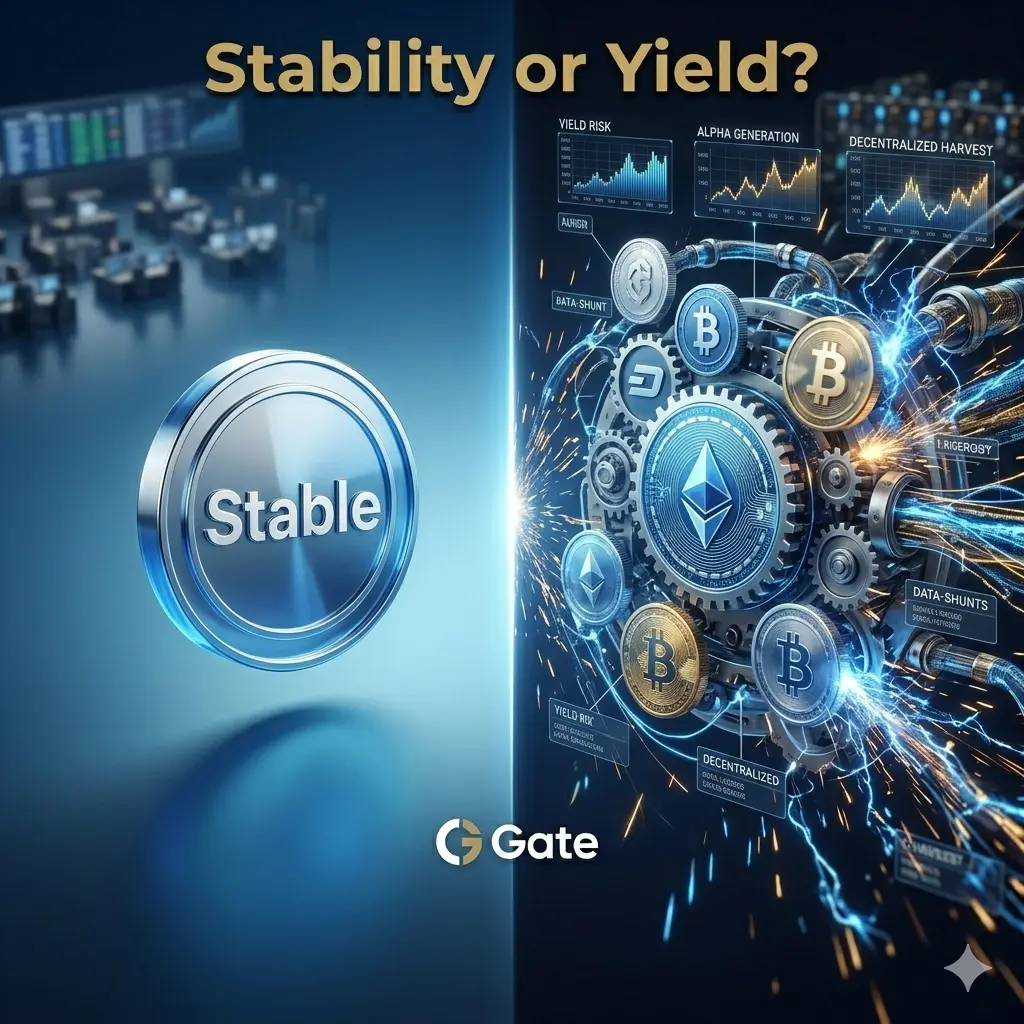
#StablecoinDeYieldDebateIntensifies
Market Impact Analysis
#StablecoinDeYieldDebateIntensifies captures a fundamental design conflict in crypto markets: should stablecoins remain purely neutral liquidity instruments, or evolve into yield-generating financial products?
This tension is reshaping how capital behaves across DeFi and centralized venues.
Implications:
Redefinition of “Cash” in Crypto: Traditional stablecoins act as idle liquidity, while yield-bearing versions turn them into productive assets
Regulatory Friction: Yield introduces similarities to interest-bearing securities, increasin
DEFI-4.73%
MoonGirlvip
#StablecoinDeYieldDebateIntensifies
Market Impact Analysis
#StablecoinDeYieldDebateIntensifies captures a fundamental design conflict in crypto markets: should stablecoins remain purely neutral liquidity instruments, or evolve into yield-generating financial products?
This tension is reshaping how capital behaves across DeFi and centralized venues.
Implications:
Redefinition of “Cash” in Crypto: Traditional stablecoins act as idle liquidity, while yield-bearing versions turn them into productive assets
Regulatory Friction: Yield introduces similarities to interest-bearing securities, increasing oversight pressure
Protocol Competition: DeFi platforms compete to attract capital via higher yields, fragmenting liquidity
On Gate.io, this dynamic leads to shifting stablecoin balances, as traders optimize between safety and return.
Core insight:
The debate is not about yield—it’s about whether stability can coexist with risk.
Liquidity & Volatility Outlook
Liquidity Fragmentation: Capital splits between non-yield and yield-bearing stablecoins
Hidden Leverage Exposure: Yield often comes from lending, staking, or rehypothecation
Capital Stickiness: Yield-bearing assets retain liquidity longer but increase systemic interdependence
Volatility expectations:
Short-term: Low direct volatility but high capital rotation
Mid-term: Structural shifts in DeFi liquidity pools
Tail Risk: Depegging events if yield mechanisms fail under stress
Key dynamic:
Yield introduces invisible volatility layers beneath stable prices.
Trader Strategy
Segment Your Capital: Allocate between pure stability (USDT/USDC) and yield strategies
Understand Yield Sources: Not all yield is equal—track underlying risk
Stay Liquid: Avoid locking all capital in yield systems during uncertain markets
Watch Peg Stability: Early signs of stress appear in minor price deviations
Exploit Rotation Flows: Capital moving between stablecoins creates opportunities
Advanced insight:
In stablecoin markets, liquidity flexibility is more valuable than maximum yield.
What to Watch
Regulatory stance on yield-bearing stablecoins
Shifts in dominance between major stablecoins
DeFi yield rates and sustainability
Peg stability during market stress
Institutional adoption of yield-based stable assets
Closing
#StablecoinDeYieldDebateIntensifies highlights a critical evolution point, where stablecoins transition from passive liquidity to active financial instruments—with all the risks that implies.
repost-content-media
  • Reward
  • 21
  • Repost
  • Share
GateUser-68291371vip:
Hold tight 💪
View More
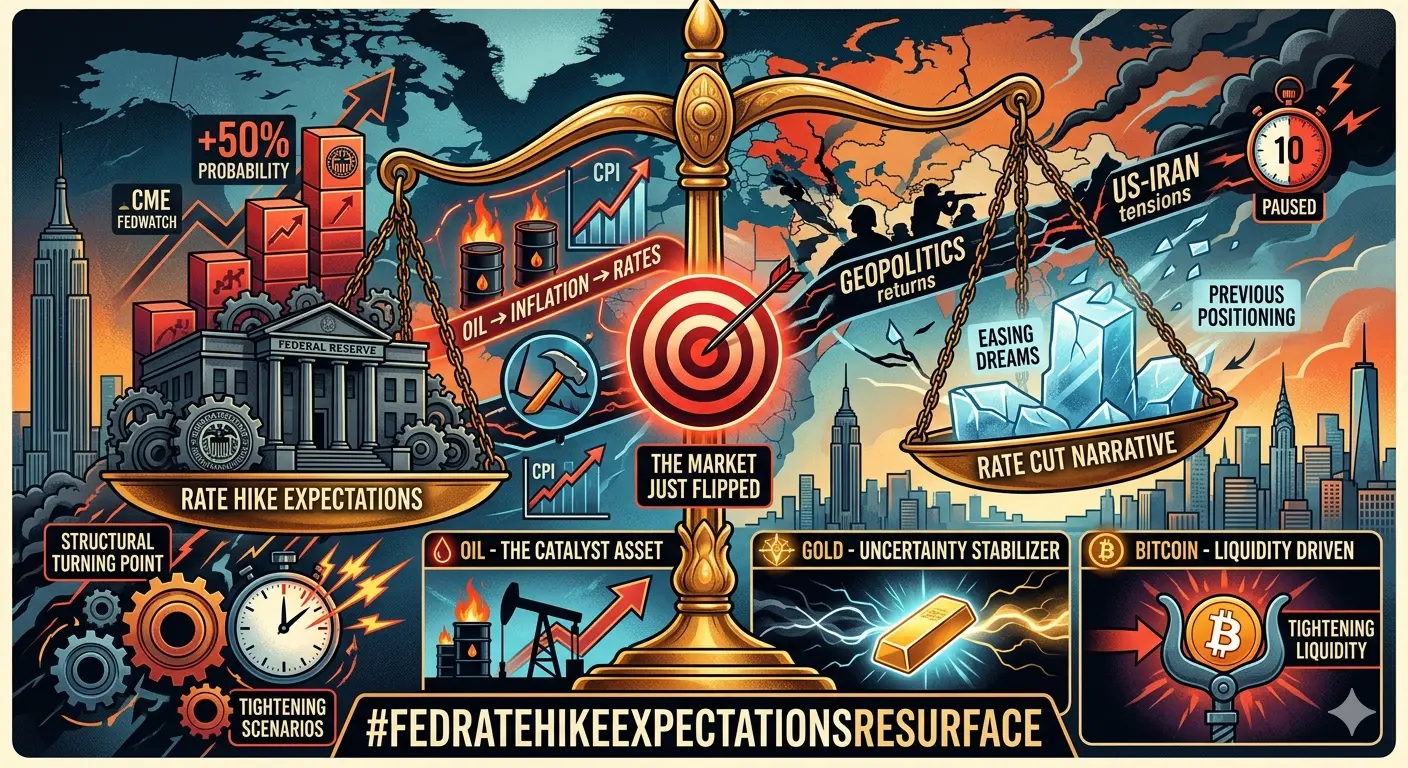
#FedRateHikeExpectationsResurface
The Market Just Flipped — And It Matters
Just weeks ago, global markets were confidently positioned for rate cuts in 2026. That narrative has now sharply reversed.
As of March 27, the CME FedWatch tool signaled a major shift — rate hike probabilities crossed 50%. This is not just a sentiment change, it is a structural turning point in how markets are pricing the future.
Across financial markets, this shift is already visible:
• SOFR options are pricing potential emergency rate hikes
• Prediction markets show rising probabilit
BTC1.45%
AngryBirdvip
#FedRateHikeExpectationsResurface
The Market Just Flipped — And It Matters
Just weeks ago, global markets were confidently positioned for rate cuts in 2026. That narrative has now sharply reversed.
As of March 27, the CME FedWatch tool signaled a major shift — rate hike probabilities crossed 50%. This is not just a sentiment change, it is a structural turning point in how markets are pricing the future.
Across financial markets, this shift is already visible:
• SOFR options are pricing potential emergency rate hikes
• Prediction markets show rising probability of tightening scenarios
• Swaps markets imply nearly 50% chance of at least one hike this year
• 2-year Treasury yields are trading above the Fed policy rate — a classic forward signal
👉 Markets are no longer preparing for easing — they are preparing for tightening
The Core Driver: Geopolitics Returns
The key force behind this shift is geopolitical escalation, particularly rising tension between the U.S. and Iran.
What was once ignored is now central to global pricing.
A Critical Turning Point: The 10-Day Pause
A temporary pause in planned strikes has introduced short-term uncertainty, but not relief.
Two scenarios are now shaping expectations:
🔹 Diplomatic Progress
• Multi-country mediation signals serious discussions
• Economic pressure is building
• A potential deal could stabilize markets
🔹 Strategic Pause
• Time for repositioning and preparation
• Risk of stronger escalation if talks fail
👉 Market signal: Oil remains elevated
If markets believed in peace, oil would drop — but it hasn’t
Conclusion:
Markets are pricing delay, not resolution
The Macro Chain Reaction
This is the key mechanism driving everything:
👉 Oil → Inflation → Interest Rates
• Supply disruptions push oil higher
• Higher oil feeds into inflation across sectors
• Rising inflation pressures central banks
If inflation accelerates:
👉 Rate hikes move from possibility to necessity
The Policy Challenge
Central banks now face a difficult balance:
• Growth remains relatively stable
• Labor markets are still strong
• Inflation risks are rising again
This creates a challenging environment where:
👉 Tightening controls inflation
👉 But also pressures economic growth
Market Positioning: What Matters Now
Oil — The Catalyst Asset
• Supported by supply risks
• Sensitive to geopolitical outcomes
👉 Upside risk remains if tensions escalate
👉 Downside risk if resolution appears
Gold — Pulled in Two Directions
• Supported by uncertainty
• Pressured by rising real yields
👉 Best used as a portfolio stabilizer rather than a momentum trade
Bitcoin — Driven by Liquidity
• Not purely an inflation hedge
• Highly sensitive to interest rate expectations
👉 When rate pressure rises, liquidity tightens
👉 When liquidity tightens, BTC faces resistance
Scenario Outlook
🔹 De-escalation
• Oil declines
• Inflation cools
• Markets stabilize
👉 Risk assets recover
🔹 Continued Uncertainty
• Oil remains elevated
• Rate concerns persist
👉 Markets remain range-bound
🔹 Escalation
• Oil spikes further
• Inflation pressures increase
• Rate tightening expectations strengthen
👉 Short-term pressure on risk assets
Key Levels & Strategy Insight
• Bitcoin accumulation zone: $60K–$64K if volatility increases
• Avoid chasing emotional moves
• Expect heightened volatility around early April
👉 Patience and positioning matter more than reaction
The Bigger Picture
All major assets are now reacting to one core variable:
👉 Real Interest Rates
• If rates rise faster than inflation → pressure on markets
• If inflation rises but policy stays soft → assets gain strength
Final Takeaway
Markets are no longer driven by a single narrative.
They are now shaped by the intersection of:
• Geopolitics
• Inflation risk
• Central bank decisions
👉 The upcoming timeline is critical
👉 Market reactions will likely be sharp and fast
This is not a routine cycle —
This is a shift in how global markets price risk.
repost-content-media
  • Reward
  • 19
  • Repost
  • Share
GateUser-68291371vip:
Hold tight 💪
View More
  • Reward
  • 15
  • Repost
  • Share
HighAmbitionvip:
To The Moon 🌕
View More
#Web3SecurityGuide
#Web3SecurityGuide is essential for navigating the decentralized ecosystem safely as adoption continues to grow. In Web3, users are often responsible for their own assets, which makes understanding security practices a critical part of participating in the space.
Strong security starts with protecting private keys and seed phrases—never sharing them and storing them offline in secure locations. Using hardware wallets, enabling multi-factor authentication where possible, and verifying smart contracts before interacting with them are key steps to reduce risk. Always double-ch
MissCryptovip
#Web3SecurityGuide
#Web3SecurityGuide is essential for navigating the decentralized ecosystem safely as adoption continues to grow. In Web3, users are often responsible for their own assets, which makes understanding security practices a critical part of participating in the space.
Strong security starts with protecting private keys and seed phrases—never sharing them and storing them offline in secure locations. Using hardware wallets, enabling multi-factor authentication where possible, and verifying smart contracts before interacting with them are key steps to reduce risk. Always double-check wallet addresses and be cautious of phishing attempts, fake websites, and malicious links.
As platforms and protocols evolve, threats also become more sophisticated. Staying informed, using trusted tools, and regularly reviewing security practices can significantly reduce exposure to scams and exploits. In Web3, security is not optional—it is a continuous responsibility that protects both assets and identity.
#Web3SecurityGuide #DeFiSecurity #DigitalAssets
repost-content-media
  • Reward
  • 15
  • Repost
  • Share
CryptoDiscoveryvip:
To The Moon 🌕
View More
  • Reward
  • 16
  • Repost
  • Share
HighAmbitionvip:
Good luck in the Year of the Horse, and wishing you prosperity!😘
View More
  • Reward
  • 13
  • Repost
  • Share
HighAmbitionvip:
Good luck in the Year of the Horse, and wishing you prosperity!😘
View More
  • Reward
  • 12
  • Repost
  • Share
HighAmbitionvip:
Good luck in the Year of the Horse, and wishing you prosperity!😘
View More
To help users focus on trending ETFs and optimize trading decisions, Gate ETF launches the “Trending ETF Trading Sprint” campaign. During the event, follow the trending list and trade designated ETFs to unlock generous rewards. Focus on the trend. Accelerate your profits! Start your ETF trading sprint now! https://www.gate.com/campaigns/4362?ref=BVIRBA8M&ref_type=132
post-image
  • Reward
  • 14
  • Repost
  • Share
CryptoDiscoveryvip:
To The Moon 🌕
View More
  • Pin