Le véritable obstacle à Web3 : la peur des erreurs irréversibles
Pour la majorité des utilisateurs Web3, gérer les portefeuilles, effectuer des transferts sur la blockchain et interagir avec les contrats sont des opérations habituelles. Ce n’est pas la difficulté technique qui freine l’engagement des actifs, mais la pression psychologique liée à la possibilité qu’une erreur soit irréversible.
Sur la blockchain, il n’existe ni assistance client pour annuler une opération, ni bouton de réinitialisation. Une adresse incorrecte ou une autorisation signée par inadvertance peut entraîner la perte définitive des actifs. Ce caractère irréversible fait de chaque action une décision à fort enjeu, loin d’une simple transaction financière.
Les systèmes de sécurité matures sont conçus pour les humains, et non pour la perfection
La plupart des dispositifs de sécurité supposent que les utilisateurs sont toujours calmes, attentifs et sans erreur. En réalité, la fatigue, la distraction et l’erreur de jugement sont fréquents. Une architecture de sécurité efficace ne doit pas exiger l’absence totale d’erreurs : elle doit permettre l’intervention et la correction en cas de problème. C’est le principe fondamental de Gate Vault : au lieu d’ajouter des obstacles, il faut repenser la structure de contrôle des actifs pour que les erreurs ne conduisent pas immédiatement à des conséquences irréversibles.
Cause racine : une clé privée unique, un point de défaillance unique
La majorité des incidents de sécurité sur la blockchain proviennent d’une faille structurelle : les actifs reposent entièrement sur une seule clé privée. Si cette clé est perdue, divulguée ou volée, l’utilisateur n’a pratiquement aucun recours.
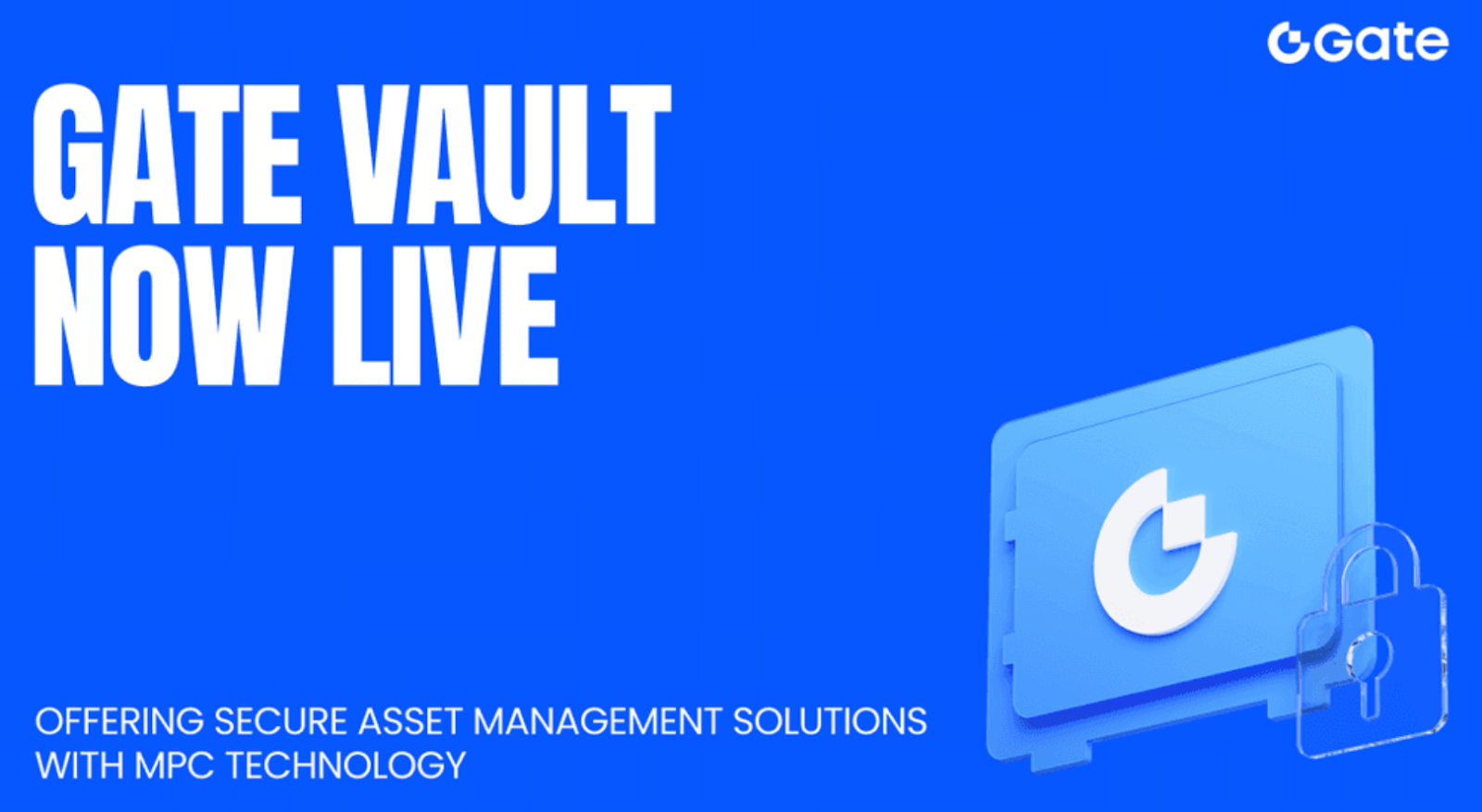
Gate Vault utilise la technologie MPC (Multi-Party Computation) pour diviser la clé privée en trois fragments distincts, détenus respectivement par l’utilisateur, la plateforme Gate et une institution de sécurité tierce. L’autorité sur les actifs n’est plus centralisée, mais répartie grâce à la collaboration et à la vérification croisée, éliminant le risque de perte totale due à une seule erreur.
Modèle 2-sur-3 : la souveraineté des actifs ancrée dans le système, non dans la confiance
Dans l’architecture Gate Vault, chaque opération sur les actifs nécessite l’autorisation d’au moins deux des trois parties pour valider la transaction. Ce modèle 2-sur-3 apporte plusieurs avantages essentiels :
- L’utilisateur est toujours un participant obligatoire et ne peut être contourné
- La plateforme ne peut pas déplacer les actifs seule
- La tierce partie agit uniquement comme vérificateur, sans contrôle direct
La souveraineté des actifs ne dépend plus de la confiance envers les individus pour éviter les erreurs, mais d’une séparation institutionnelle des pouvoirs, faisant passer la sécurité du niveau personnel à la conception du système.
La période de refroidissement transforme les catastrophes en événements évitables
Le véritable défi lors des incidents de sécurité n’est pas de manquer les signes avant-coureurs, mais de les détecter trop tard. Gate Vault met en place un délai de sécurité pouvant aller jusqu’à 48 heures : lorsque le système détecte une activité à risque ou anormale, la transaction est placée en attente au lieu d’être immédiatement enregistrée sur la blockchain. Pendant cette période, les utilisateurs peuvent annuler les autorisations, geler les actifs ou interrompre les transactions. La sécurité devient une composante intégrée au processus transactionnel, et non un outil de remédiation post-incident.
Le chemin de récupération des actifs reste ouvert dans les scénarios extrêmes
La perte de dispositif, les anomalies de compte ou les incidents imprévus sont des préoccupations majeures pour les utilisateurs Web3 sur le long terme. Gate Vault propose un processus de reprise après sinistre permettant à l’utilisateur de reconstituer les fragments de clé via une vérification de sécurité tierce et de reprendre le contrôle des actifs dans les cas extrêmes. Cette conception empêche les actifs d’être définitivement bloqués par un seul événement, offrant à la gestion des actifs Web3 une tolérance aux pannes comparable à celle des systèmes financiers traditionnels.
Gate Vault : l’ossature de sécurité de l’écosystème Gate Web3
Gate Vault n’est pas un outil isolé : il constitue la couche de sécurité unifiée de l’ensemble de l’écosystème Gate Web3. Il est déjà intégré à plusieurs produits, dont Gate Layer, Gate Perp DEX, Gate Fun, Meme Go et Gate PWM. Cette architecture de sécurité unifiée permet aux utilisateurs de passer d’un produit à l’autre sans devoir réapprendre les contrôles de risque, assurant une gestion des actifs fluide et adaptée à un usage de longue durée.
Conditions d’utilisation et règles de base
Les paramètres principaux actuels de Gate Vault sont :
- Le transfert d’actifs vers un compte Gate entraîne des frais de maintenance de 0,1% (plafonnés à 100 $)
- Les utilisateurs VIP 3 et plus bénéficient d’un accès gratuit
- La version destinée aux utilisateurs généraux sera lancée ultérieurement
- L’application Gate doit être mise à jour en version V7.23.6 ou supérieure
Il est recommandé de finaliser la configuration avant que la volatilité du marché ou les incidents de sécurité n’augmentent, afin d’établir une couche de protection fondamentale pour la gestion des actifs Web3.
Guide utilisateur Gate Vault : https://www.gate.com/help/guide/functional_guidelines/47328/gate-vault-user-guide
Conclusion
Le véritable risque dans Web3 n’est pas la complexité technique, mais le coût élevé des erreurs et l’absence de solutions correctives. La valeur de Gate Vault ne réside pas dans la promesse d’un risque nul, mais dans l’introduction du concept essentiel de réversibilité au sein de la blockchain. La gestion des actifs devient un système interceptable, récupérable et fiable, plutôt qu’un pari irréversible. Lorsque les utilisateurs cessent de craindre que chaque action soit définitive, Web3 acquiert la base psychologique nécessaire à son adoption massive.