Сектор синтетичних стейблкоїнів — одна з ключових фінансових інновацій у децентралізованих фінансах. Його головна мета — створити стабільний актив, який не залежить від традиційної банківської системи, забезпечуючи прозорість, високу капітальну ефективність і надійну довгострокову роботу. За даними CoinGecko, станом на 5 лютого 2026 року загальна ринкова капіталізація стейблкоїнів у світі досягла 309 млрд доларів США, а добовий обсяг торгів становив близько 160 млрд доларів США.
Falcon Finance і Ethena, як представники двох основних підходів — надзабезпечених синтетичних стейблкоїнів і дельта-нейтральних синтетичних стейблкоїнів, мають суттєві відмінності у капітальній ефективності, стійкості до ризиків і джерелах доходу. Вони ілюструють два основних вектори розвитку сектору синтетичних стейблкоїнів у майбутньому.
У цій статті докладно аналізуються особливості Falcon Finance та Ethena, у тому числі порівнюються механізми доходу, типи забезпечення та підходи до управління ризиками, щоб допомогти читачам краще зрозуміти перспективи та можливості сектору синтетичних стейблкоїнів.
Falcon та Ethena: пояснення основних відмінностей
Falcon Finance (FF) — універсальний протокол забезпечення для мультичейн DeFi-середовищ. Його основна ціль — надання синтетичного долара з надзабезпеченням і доходом від реальних активів (RWA), що створює для користувачів і установ прозоре, підкріплене активами джерело доходу.
Ethena — це протокол синтетичного долара на базі Ethereum, який випускає стейблкоїн USDe за дельта-нейтральною стратегією. Протокол утримує спотові криптоактиви й одночасно відкриває відповідні короткі позиції на безстрокових ф’ючерсах. Така структура дозволяє створити стейблкоїн, не залежний від традиційної банківської інфраструктури. Сильна сторона Ethena — поєднання винагород за стейкінг із фінансуванням ф’ючерсів, що позиціонує USDe як “інтернет-облігацію”. Однак цей підхід піддає протокол впливу ринкових умов деривативів у періоди високої волатильності.
Обидва проєкти працюють у сегменті синтетичних стейблкоїнів, але Falcon Finance і Ethena мають суттєві відмінності щодо механізмів, стратегічних пріоритетів і систем управління ризиками.
Для наочності у таблиці нижче наведено порівняння Falcon Finance і Ethena за основними параметрами: механізми, TVL або обсяг емісії, типи забезпечення, джерела доходу й інноваційна спрямованість.
| Параметр |
Falcon Finance |
Ethena |
| Основний механізм |
Синтетичний USD із надзабезпеченням (USDf) |
Дельта-нейтральний синтетичний USD (USDe) |
| TVL / емісія |
Емісія USDf $2,06 млрд (4 січня 2026) |
Піковий TVL $14,9 млрд (жовтень 2025) |
| Типи забезпечення |
Стейблкоїни, нестабільні криптоактиви, RWA (золото, держоблігації) |
Основні криптоактиви (BTC, ETH) + безстрокові ф’ючерси |
| Джерела доходу |
Дохід від забезпечення + RWA |
Арбітраж фінансування + винагороди за стейкінг |
| Фокус інновацій |
Інтеграція RWA, офлайн-сховища |
Кросчейн-розширення, стратегії деривативів |
З цього порівняння видно основні відмінності між Falcon Finance і Ethena:
Falcon Finance акцентує увагу на різноманітті забезпечення та інтеграції RWA, використовуючи надзабезпечення для зниження ризику. Такий підхід більше підходить для консервативних інвесторів і установ, а емісія USDf зростає стабільно.
Ethena орієнтується на стратегії із застосуванням деривативів. Її TVL вищий, але й більш волатильний, а дохідність визначається ринковим арбітражем. Тому Ethena більше підходить для DeFi-користувачів із високою толерантністю до ризику.
Порівняння механізмів доходу: стабільний дохід проти ринкового хеджування
У DeFi-моделях дохідність стейблкоїнів безпосередньо визначає співвідношення ризику і винагороди.
Falcon Finance застосовує класичний DeFi-підхід із забезпеченням понад 100%. Користувачі можуть емісувати стейблкоїн USDf, надаючи як забезпечення основні криптоактиви, стейблкоїни (наприклад, USDT) або RWA. По суті, це вивільнення “відсотків” базових активів у формі стейблкоїна.
Джерела доходу протоколу Falcon включають зростання вартості основних активів (наприклад, 3–5% річних від стейкінгу BTC), фіксовані відсотки від RWA (зокрема, держоблігацій США) і близько 5,22% додаткової винагороди за стейкінг токена управління FF.
Ця модель доходу передбачувана, базується на реальній економіці чи базових протоколах і менш чутлива до ринкової волатильності. Водночас її максимальна дохідність відносно невисока (зазвичай 3–8%), а ефективність капіталу обмежена потребою в надзабезпеченні.
Натомість Ethena використовує дельта-нейтральну фінансову стратегію для створення синтетичного долара, не залежного від традиційних банків. Основний механізм — відкриття еквівалентної короткої позиції на безстрокових ф’ючерсах під час забезпечення криптоактивами, як-от ETH. Така комбінація “спот плюс шорт” дозволяє компенсувати цінові ризики.
Дохід протоколу Ethena формується завдяки арбітражу фінансування. Як довгостроковий учасник шорт-позицій, Ethena може отримувати 10–20% річних, а також мережеві винагороди від забезпечувальних активів, наприклад, винагороди за стейкінг Ethereum через stETH.
Тобто Ethena має дуже високий потенціал дохідності, особливо у бичачі ринки, але ці доходи нестабільні. Якщо ринкова кон’юнктура зміниться і ставки фінансування стануть негативними, протокол може зазнати тривалих збитків.
Різноманіття забезпечення: чи стане RWA вирішальним чинником майбутнього?
Для стійкості та безпеки стейблкоїн-протоколів склад базового забезпечення — один із ключових чинників.
Falcon Finance поєднує ончейн- та офчейн-активи, формуючи пул із високою різноманітністю та відповідністю регуляторним вимогам. На відміну від класичних протоколів, Falcon підтримує не лише BTC і ETH, а й токенізовані держоблігації, золото та нерухомість через партнерів.
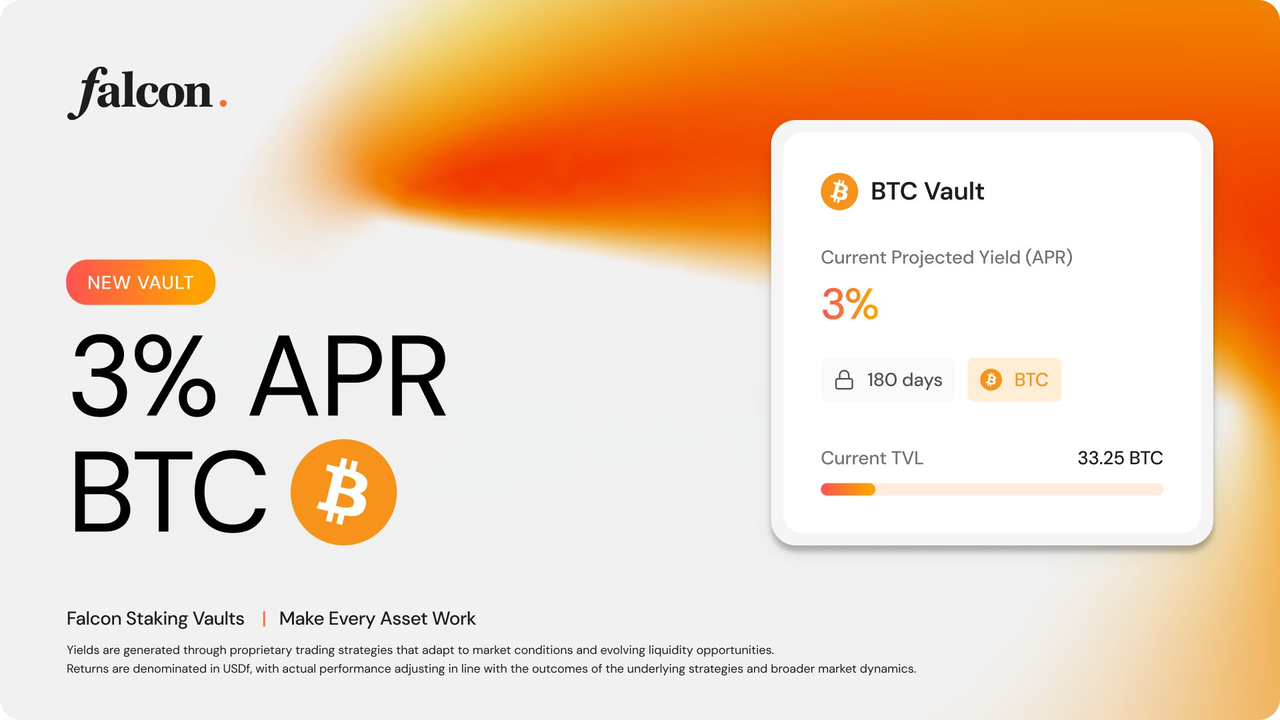
7 січня 2026 року Falcon запустив дохідний сейф із прямою інтеграцією офлайн-забезпечення BTC, що дозволяє власникам біткоїнів отримувати стабільний річний дохід 3–5% без зміни статусу володіння.
Ethena натомість зосереджена на криптонативному середовищі, де стабільність досягається в основному через хеджування деривативами.
Забезпечення Ethena базується на криптоактивах (BTC, ETH) та ліквідних токенах стейкінгу. На практиці ця модель створює долари через кредитне плече й хеджування всередині крипторинку.
З погляду різноманіття забезпечення, інтеграція RWA у Falcon відповідає тренду зростання RWA у 2026 році й далі. Через відсутність буферів реальних активів концентрація забезпечення Ethena висока. У разі екстремальних ринкових умов, наприклад тривалих негативних ставок фінансування, її позиції із залежністю від деривативів можуть зазнати значного тиску.
Управління ризиками: ефективність за екстремальних ринкових умов
В управлінні синтетичними активами ризик-менеджмент — це не лише буфер безпеки, а й визначальний чинник життєздатності DeFi-протоколу в різні ринкові періоди. На початку 2026 року регуляторні рамки на кшталт GENIUS Act поступово набирали чинності, і стійкість стейблкоїнів до ризиків привернула рекордну увагу ринку.
Falcon Finance дотримується принципу “надлишкового дизайну”, впроваджуючи кілька захисних рівнів для протидії екстремальним ринковим потрясінням.
- Механізм надзабезпечення: при використанні нестабільних активів користувачі мають надавати надлишкове забезпечення, щоб система залишалася платоспроможною під час різких цінових коливань.
- Страховий фонд: 15 жовтня 2025 року Falcon Finance створив страховий фонд початковим обсягом 10 млн доларів США для покриття рідкісних негативних доходів і викупу USDf під час дефіциту ліквідності, підтримуючи стабільність ціни.
На відміну від структурних захистів Falcon, Ethena залежить від ліквідності та стабільності ринку деривативів, а її основна стратегія базується на фінансовій інженерії.
- Обмеження хедж-стратегій: дельта-нейтральні стратегії знижують ризик цінових коливань, але залежать від ставок фінансування на безстрокових ф’ючерсах. У тривалих ведмежих ринках чи при негативних ставках модель піддається тривалому тиску.
- Ризик концентрації забезпечення: за даними DeFiLlama, станом на 5 лютого 2026 року TVL Ethena становив близько 7,3 млрд доларів США, що значно менше пікових 15 млрд, і свідчить про високу залежність від загальних ринкових умов у криптоіндустрії.
Станом на сьогодні жодна з платформ — ні Falcon Finance, ні Ethena — не стикалася з серйозними інцидентами безпеки чи “чорними лебедями”. Хоча USDe короткочасно втрачав прив’язку на Binance, але відновився, і безпека залишається пріоритетом для розробників стейблкоїнів.
Висновки
У 2026 році Falcon Finance і Ethena у секторі синтетичних стейблкоїнів демонструють два різних підходи: орієнтацію на стабільність і регуляторну відповідність, а також експериментальний підхід із високою дохідністю.
Falcon робить ставку на забезпечення RWA та багаторівневі захисні механізми, фокусуючись на контролі ризиків і сталому довгостроковому доході. Це більше підходить для установ і консервативних інвесторів. Ethena, навпаки, використовує хеджування деривативами для підвищення дохідності, але з більшою волатильністю та ризиком, що приваблює DeFi-учасників із високою толерантністю до ризику.
У майбутньому конкуренція визначатиметься не лише розміром дохідності, а стабільністю доходу, здатністю до регуляторної адаптації й автоматизованим управлінням ризиками. Протоколи, які зберігають баланс між ризиком і доходом, можуть стати переможцями наступного циклу стейблкоїнів.
Часті запитання (FAQ)
Q1: У чому головна різниця між Falcon Finance і Ethena?
Falcon працює на моделі надзабезпечення й підтримує RWA-активи, як-от держоблігації та золото, віддаючи перевагу стабільності та відповідності регуляторним вимогам. Ethena застосовує дельта-нейтральні хедж-стратегії та орієнтується на дохідність ринку деривативів, акцентуючи ефективність капіталу й вищі доходи.
Q2: Чому RWAs (реальні активи) важливі для синтетичних стейблкоїнів?
RWA забезпечують стабільні потоки доходу, не пов’язані з крипторинком, і допомагають протоколам відповідати регуляторним вимогам 2026 року, зокрема щодо підкріплення стейблкоїнів фізичними чи високоліквідними активами відповідно до таких актів, як GENIUS Act.
Q3: Який протокол безпечніший у разі подій “чорного лебедя”?
Теоретично Falcon Finance безпечніший завдяки поєднанню надзабезпечення, страхових фондів і офлайн-сховищ. Ethena, яка залежить від ринку деривативів, може стикнутися з дефіцитом ліквідності та тривалими негативними ставками фінансування під час екстремальної волатильності.
Додаткові матеріали