



Introduction
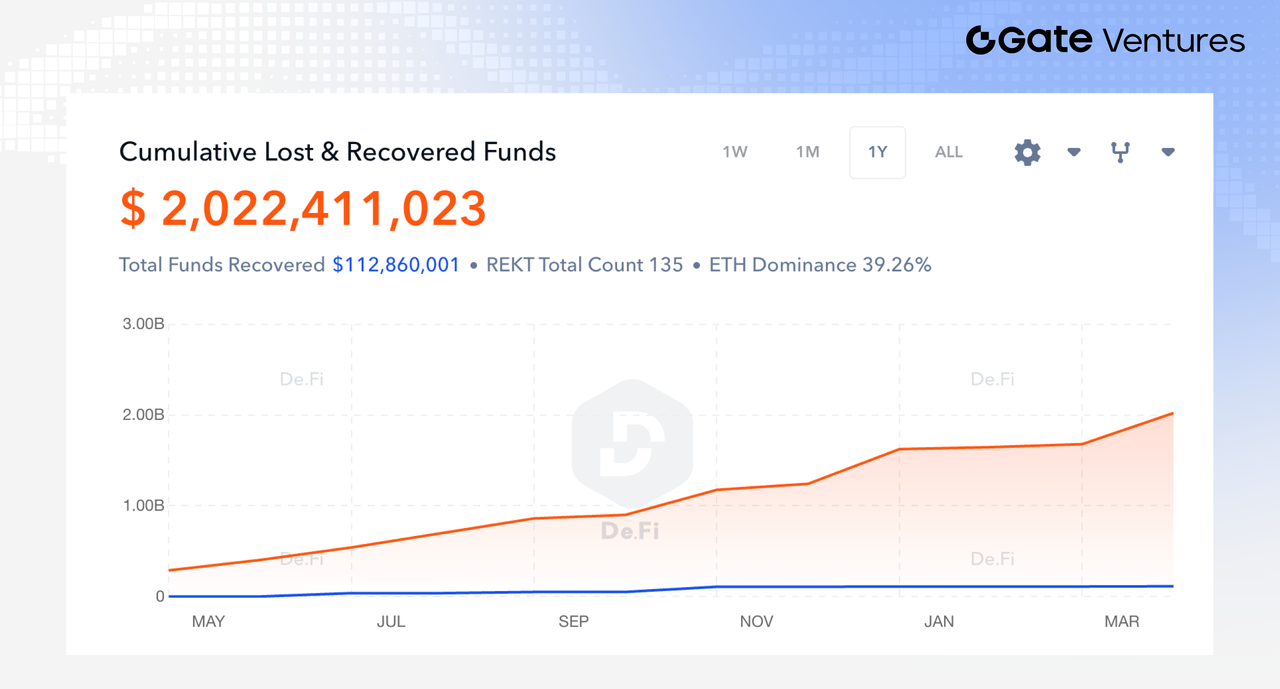
Source: de.fi
Over the past year, the DeFi sector has suffered cumulative losses of $2.02 billion, with only about 5% of stolen funds ultimately recovered. This figure is roughly 1.1 times the total value locked (TVL) of Curve Finance, underscoring how security incidents continue to erode the industry’s capital foundation.
Since March of this year, DeFi has seen a series of notable security breaches:
Solv Protocol lost $2.73 million due to a repeated minting vulnerability in its mint() function. Venus Protocol incurred $2.18 million in bad debt on BSC after a supply cap check was bypassed. Resolv Labs suffered a $25 million loss after a private key leak allowed the unauthorized minting of $80 million in uncollateralized USR. Drift Protocol experienced the largest attack in 2026 to date, losing over $280 million. Attackers spent weeks preparing the exploit path, used social engineering to obtain 2-of-5 multisig approvals, and ultimately took over management permissions, transferring more than half of the protocol’s funds in a short time. Additionally, KelpDAO faced a security incident with its underlying assets, triggering rsETH risk contagion and a liquidity crunch, which further intensified market pressure on LRT-related assets.
These incidents reveal a harsh reality: no matter how advanced the underlying technology, user funds remain exposed to tail risks that cannot be fully eliminated.
In fact, DeFi has built a solid foundation in several other areas over the past few years:
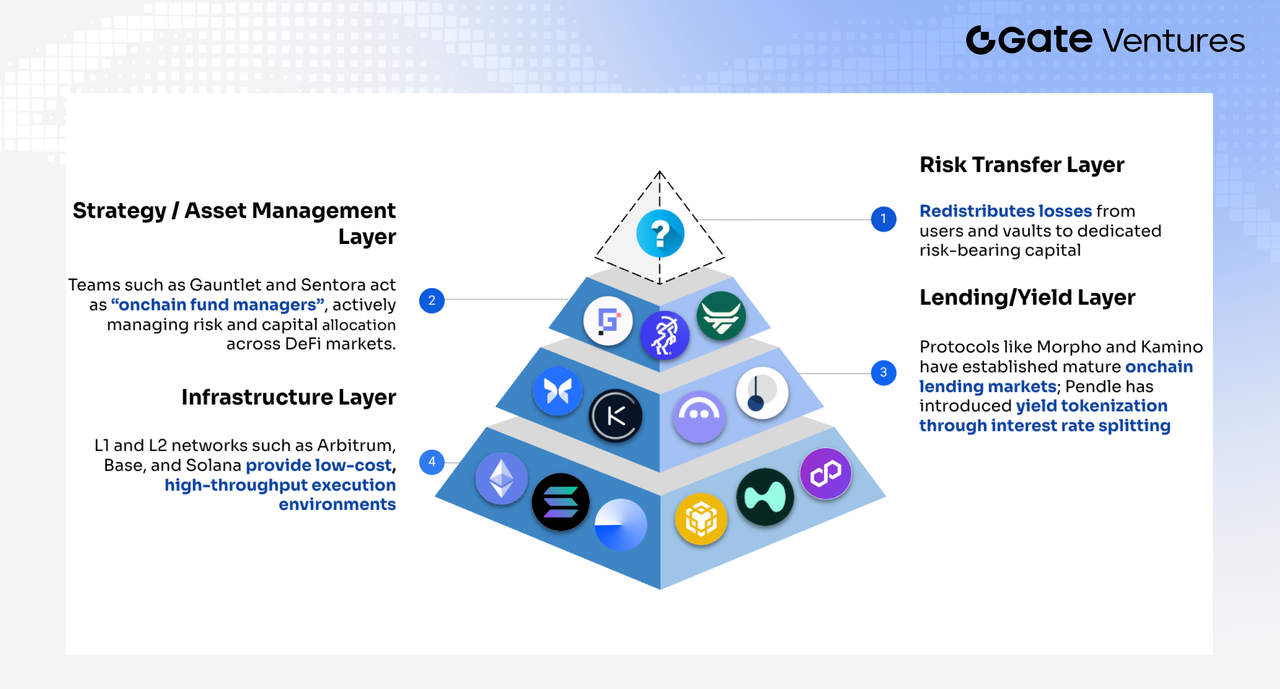
Infrastructure Layer: Ethereum completed The Merge, while Base, Solana, and other L1/L2s continue to offer low-cost, high-throughput execution environments. On-chain settlement is approaching the stability and reliability of traditional financial infrastructure.
Lending/Yield Layer: Protocols like Aave, Morpho, and Kamino have established mature on-chain lending markets. Pendle has further enabled interest rate splitting, enriching the range of yield products.
Strategy/Asset Management Layer: Professional risk management teams such as Gauntlet, Steakhouse Financial, and MEV Capital are now participating as "on-chain fund managers," actively managing risk and returns.
Yet, despite these advances, the DeFi stack still has a significant gap in one crucial area: risk transfer.
Benchmarking TradFi: The Missing Insurance Layer
Traditional financial systems can support hundreds of trillions of dollars in assets, thanks not only to regulation but also to a comprehensive risk transfer mechanism: bank deposits are protected by the FDIC, securities accounts by the SIPC, and institutional trades are hedged with credit derivatives.
The insurance industry acts as the "shock absorber" of the financial system. Global insurance premiums account for about 6–7% of global GDP, and if you include the assets managed by insurance companies, their influence on capital markets far exceeds that percentage. (1)
In contrast, on-chain insurance premiums represent less than 1% of DeFi’s TVL—a gap that signals a massive market opportunity.
Why Is DeFi Insurance So Challenging?
Risks Are Hard to Quantify—Traditional Insurance Pricing Doesn’t Translate
DeFi faces highly complex and heterogeneous risks, including smart contract vulnerabilities, stablecoin depegging, and oracle failures, often occurring simultaneously and compounding each other. Unlike traditional insurance, DeFi lacks long-term, verifiable historical claims data, making conventional actuarial models—built on loss distributions and incident frequencies—ineffective.
Moreover, DeFi risks are far less clearly defined than in traditional insurance. In conventional settings, insurable items like houses, vehicles, or individuals have clear, independent risk boundaries. In DeFi, however, protocols are highly composable. A single component failure can cascade through liquidity, collateral, yield strategies, and liquidation paths, causing cross-protocol losses. This blurs the lines around coverage, liability, and loss determination.
Low Capital Efficiency—Hard to Compete with Native DeFi Yields
Insurance fundamentally requires locking up significant reserves to cover potential claims. But in DeFi, users and liquidity providers prefer allocating capital to strategies with higher, ongoing returns—such as lending, market making, arbitrage, or yield aggregation.
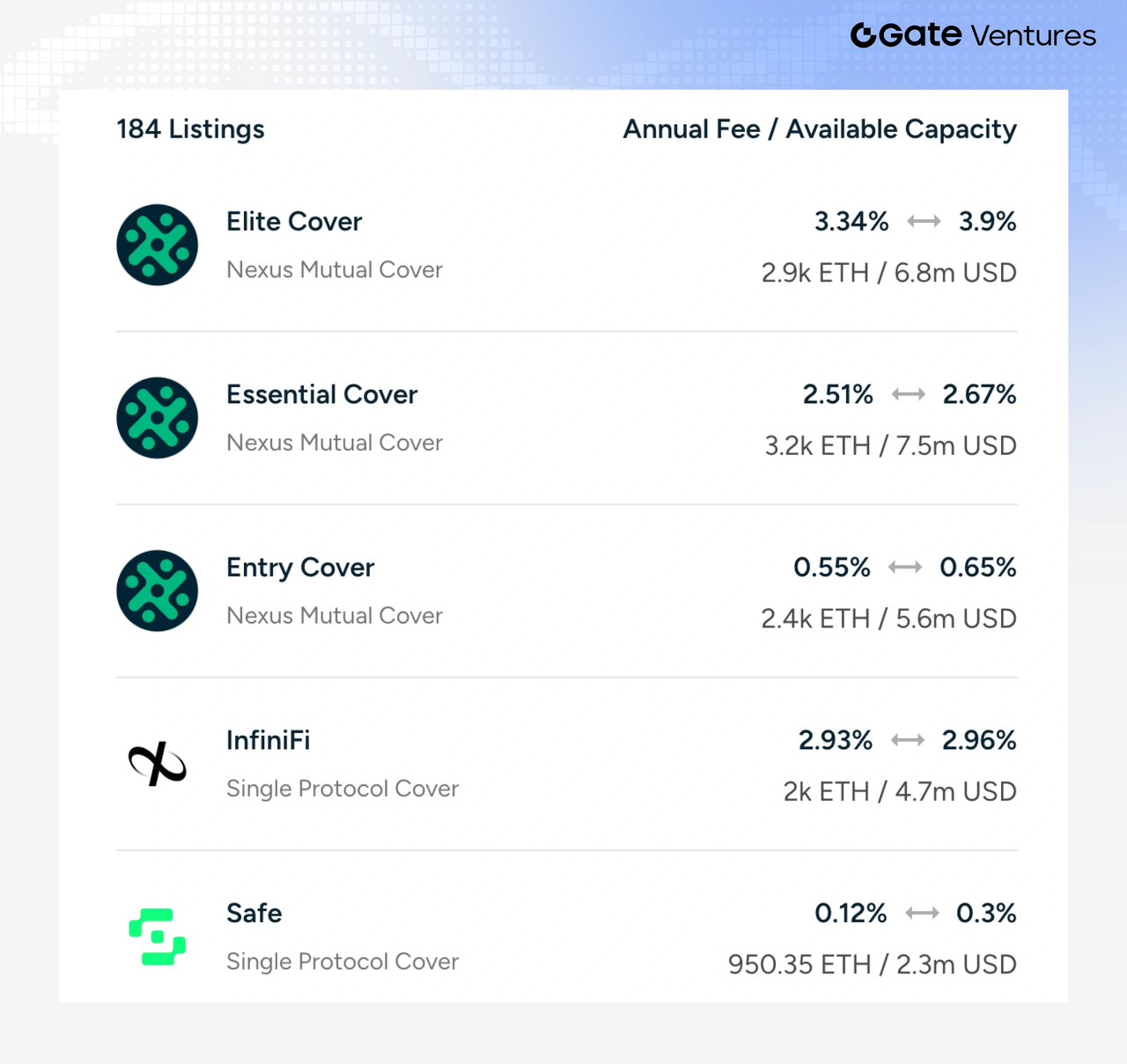
Source: Nexus Mutual
Currently, most on-chain insurance pools offer returns below mainstream DeFi yields, making them less attractive compared to other opportunities. This opportunity cost means insurance pools struggle to attract enough underwriting capital, limiting both the depth and scalability of insurance products.
Sector Analysis
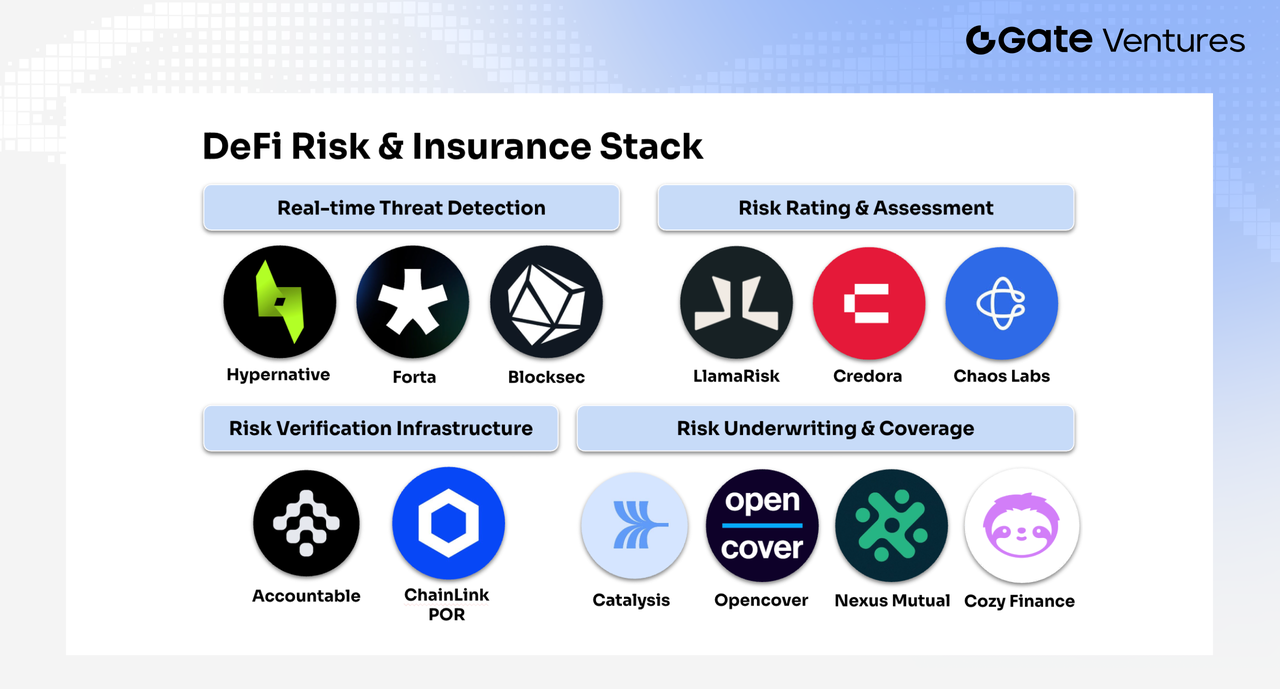
Despite these gaps, we’re already seeing the early contours of an on-chain insurance and risk ecosystem:
On one end, there are true risk transfer pools like Nexus Mutual. On the other, platforms like Catalysis and OpenCover embed protection mechanisms directly into deposit and product flows, supported by risk ratings from providers such as Credora and LlamaRisk, risk verification from Accountable, and real-time risk detection from Hypernative and Blocksec.
Let’s define four functional layers:
Coverage/Underwriting: The layer that ultimately absorbs losses, collects premiums, and adjudicates claims. It embeds protection natively into vaults or product flows, making coverage an integrated feature rather than a bolt-on.
Risk Rating: Converts risks into comparable scores, capital recommendations, and parameters.
Verification: Confirms that assets, liabilities, and reserves actually exist and can be verified on-chain.
Detection: Provides alerts, transaction screening, simulations, or automated blocking before losses occur.
Together, these four layers form the analytical framework for this article.
Underwriting Layer
Catalysis’s core innovation is embedding risk protection directly into DeFi vaults, making coverage a part of the asset allocation process rather than an external insurance purchase. In other words, when users deposit funds into a vault, they automatically receive corresponding risk protection—no need to seek out a separate insurance protocol.
Mechanically, Catalysis connects three types of participants into a complete on-chain underwriting process:
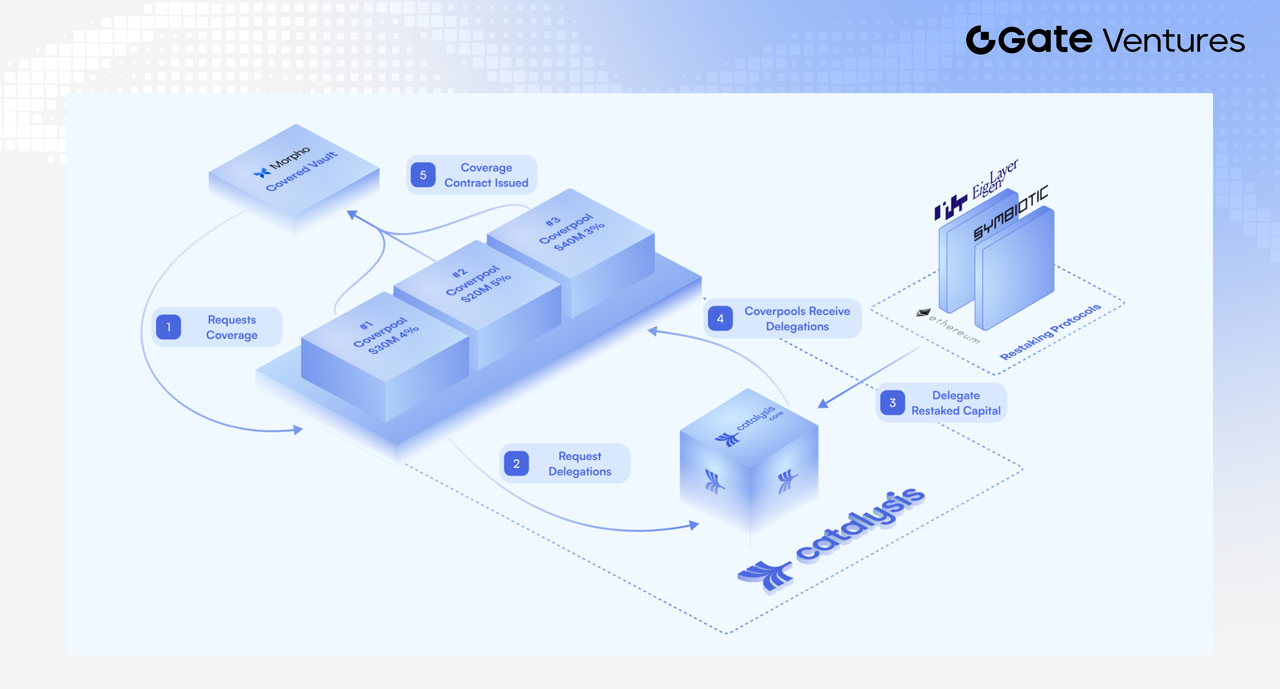
Source: Catalysis
First, restakers deposit assets such as ETH, BTC, or stablecoins into restaking protocols like EigenLayer and Symbiotic, forming a slashing-enabled economic security pool—the system’s initial underwriting capital. Next, this capital is allocated to various CoverPools, each covering a specific risk category (e.g., a particular lending vault or yield strategy). Finally, vault users pay coverage fees for risk protection, and these fees are distributed to the restakers providing underwriting capital. (2)
How Is Risk Priced?
In Catalysis, risk pricing isn’t determined case-by-case by an insurance committee but is executed automatically by a protocol-defined parameter model. The logic is straightforward: higher risk requires more slashing-enabled underwriting capital, resulting in higher protection fees.
Specifically, each CoverPool sets parameters for underwriting capacity, slashing ratios, and fee rates for different vault risk types. These determine how much restaked capital must be locked as protection and how much users pay in coverage fees—essentially, the "cost to rent underwriting capital."
Because underwriting capital comes from restakers, rates are also influenced by capital supply: when ample underwriting capital is available, protection costs are lower; when capital is scarce, rates rise. Thus, risk pricing is shaped both by protocol parameters and market supply-demand dynamics.
OpenCover is another "embedded protection infrastructure," but it doesn’t act as the final underwriter. Instead, it serves as a distribution and structuring platform, packaging underlying coverage into modules that can be directly integrated into DeFi product flows. (3)
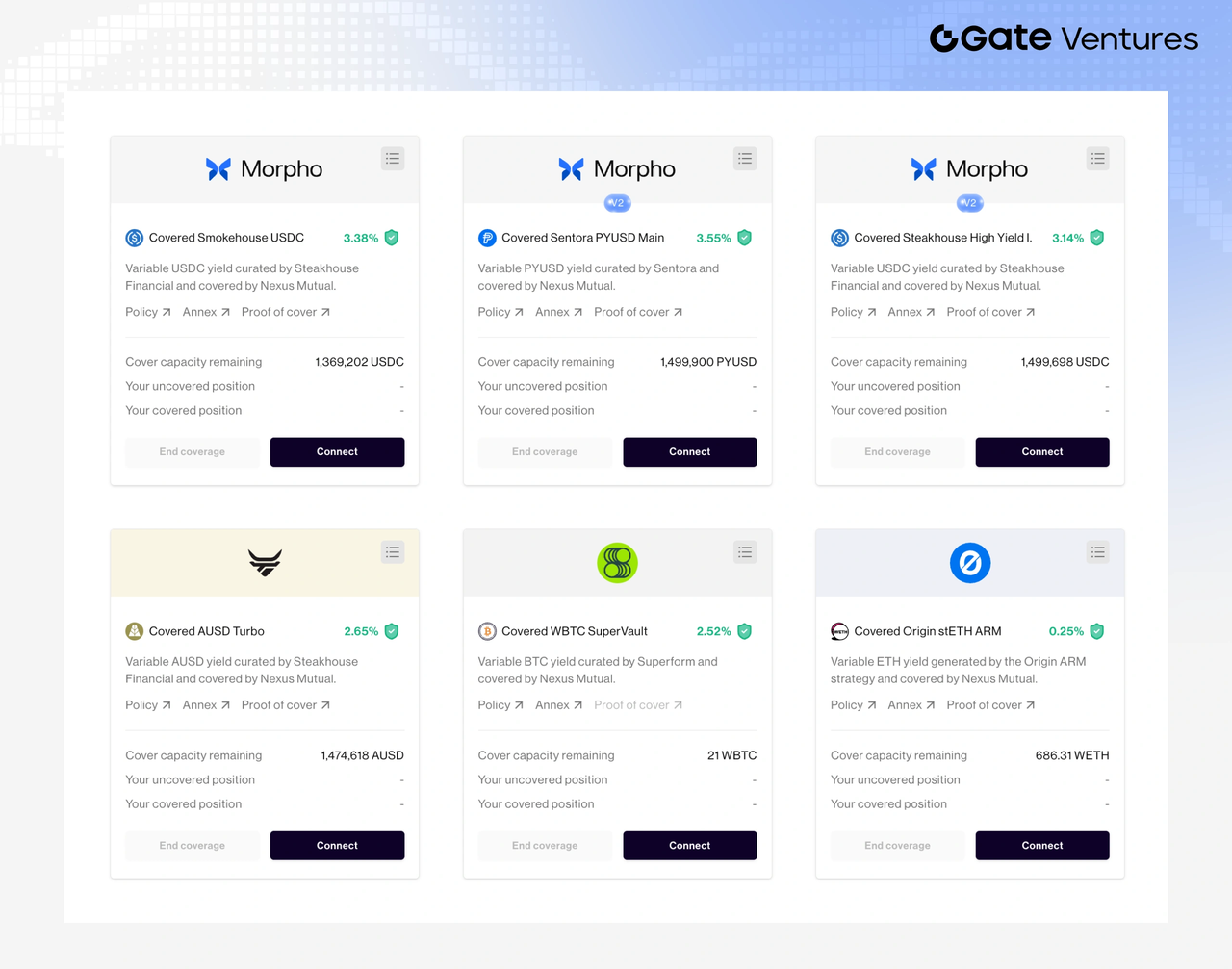
Source: Opencover
OpenCover itself does not provide underwriting capital.
Actual coverage for Covered Vaults is provided by Nexus Mutual: when users deposit vault shares, Nexus Mutual’s staking pool locks up a corresponding amount of NXM in real time, serving as verifiable on-chain underwriting capital. This allows coverage capacity to scale in tandem with vault risk exposure.
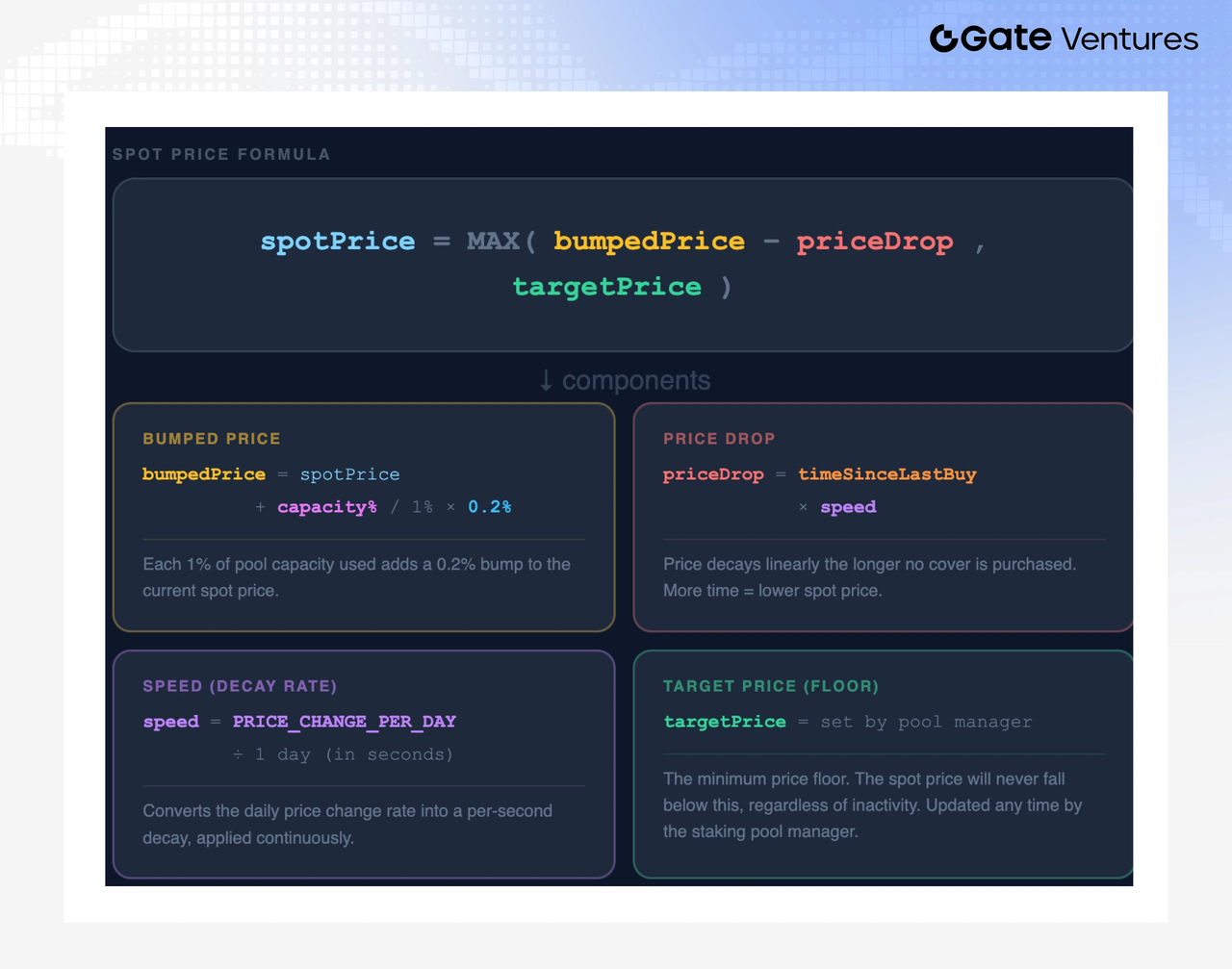
For risk pricing, Covered Vaults use Nexus Mutual’s dynamic pricing model rather than a fixed rate.
In short, underwriters set a minimum acceptable rate, then adjust prices based on supply and demand: if demand for coverage on a vault surges and underwriting capacity is heavily utilized, prices rise automatically; conversely, if capacity is ample and demand is low, prices gradually fall. This is an on-chain pricing mechanism that dynamically adjusts with risk and capital utilization. (4)
Risk Assessment Layer
Several institutions now focus on DeFi risk assessment, approaching it from three angles: credit scoring, verifiable data infrastructure, and dynamic parameter simulation. Together, they provide the foundation for insurance pricing and risk management on-chain.
Credora is currently the most similar to traditional credit rating agencies (like S&P and Moody’s) in DeFi, offering quantitative risk scoring. Launched by RedStone, Credora systematically rates tokens, lending markets, and vault portfolios, providing protocols with quantifiable capital allocation guidance.
Three-Tier Rating Structure
1) Token Ratings
Calculates default probabilities (PSL) for assets like LSTs and stablecoins, using benchmark anchoring methodologies and risk adjustment factors to generate base risk scores.
2) Lending Market Ratings
Differentiates market structures:
Isolated collateral markets (e.g., Morpho): Uses Monte Carlo simulations to model numerous random scenarios, estimating the probability distribution of outcomes—primarily assessing whether a given collateral failure would cause significant losses.
Collateral markets (e.g., Aave, Spark): More complex, as assets can be repeatedly borrowed and re-collateralized, compounding risk. The focus is on whether underlying asset failures could amplify risk and impact the entire market. (5)
3) Strategy Portfolio Ratings
Treats vaults as cross-market asset portfolios, factoring in not only underlying allocations but also manager competence and governance quality.
Rating Methodology
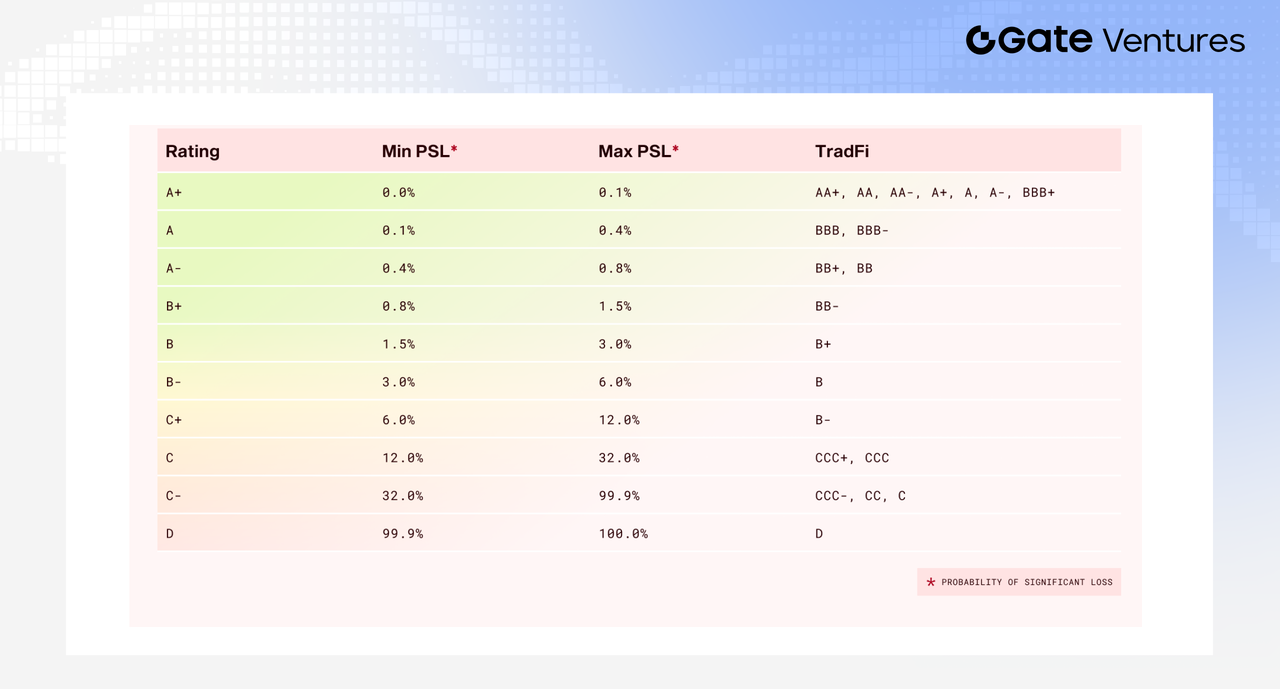
Source: Credora
Uses a letter-grade system from A+ to D, mapped to historical default rates (1990–2023) from the three major agencies. An exponential function is used to build the PD curve, aligning traditional credit ratings with DeFi risk distributions.
Unlike Credora, LlamaRisk focuses not on scoring but on creating a verifiable, on-chain risk data framework—addressing DeFi’s core challenge of data credibility.
Two Core Components
SAVE Framework (Structured Attestation & Verification Engine)
An open-source TypeScript toolkit for converting structured financial data into verifiable on-chain records, including:
Claims: Structured fact statements
Proofs: Cryptographic evidence
Attestations: Signed evidence published on-chain and stored in IPFS
Applicable not only to reserve proofs but also to collateral quality and strategy transparency.
LlamaGuard Suite
A set of RWA risk management tools built on SAVE:
LlamaGuard Proof: Automated financial data attestation
LlamaGuard NAV: Chainlink-based bounded NAV oracle
LlamaGuard Actions: Conditional risk response triggers (6)
Protocols including Aave, Curve, Midas, and Ethena use these tools for risk insights, such as liquidity status, utilization changes, and oracle price deviations. This data helps teams set reserve sizes, debt ceilings, and other critical risk parameters more effectively.
Chaos Labs is one of the most comprehensive DeFi risk analytics platforms, specializing in real-time simulation, stress testing, and risk parameter optimization.
Three Core Capabilities
First, dynamic risk monitoring: real-time tracking of key metrics across multiple chains, including total supply and lending volumes, utilization rates, liquidation events, collateral concentration, and whale address exposures. The platform currently monitors over $63.7 billion in asset supply across major blockchains.
Second, risk exposure simulation: stress testing for extreme market scenarios, such as sharp collateral price drops, rapid liquidity contraction, or concentrated asset sell-offs, to assess a protocol’s solvency and potential bad debt risk.
Third, parameter optimization: based on simulation results, Chaos Labs provides recommendations for key risk parameters—such as LTV, liquidation thresholds, and interest rate curves—helping protocols balance capital efficiency and risk management. (7)
Verification Layer
The verification layer addresses a fundamental question: is on-chain data actually reliable?
Without robust mechanisms to verify assets, liabilities, and reserves, even the most sophisticated risk models can be built on faulty assumptions. Currently, the most notable verification infrastructures are Chainlink Proof of Reserve and Accountable.
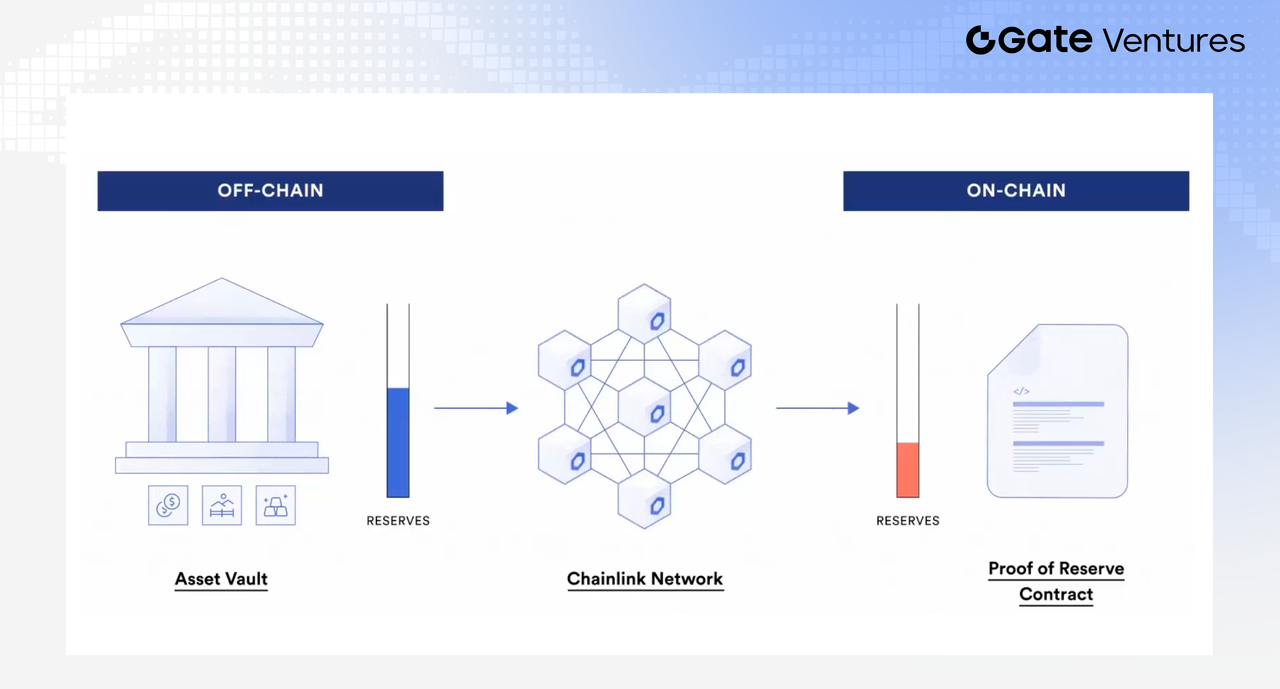
Chainlink PoR is one of the most mature on-chain reserve verification networks, primarily used to confirm that stablecoins, cross-chain assets, and RWAs are fully collateralized. Its core goal is to reduce DeFi’s reliance on off-chain asset trust.
Source: Chainlink
The process generally involves: auditors or data providers continuously collecting reserve information, which is then verified and validated by Chainlink’s decentralized oracle network. When reserves change beyond a preset threshold or at fixed intervals, the data is written on-chain for protocols to access directly. (8)
PoR’s key value lies in its ability to integrate directly into protocol logic:
Secure Mint: Only allows new minting when reserves are sufficient, preventing unbacked issuance
Circuit Breaker: Automatically pauses lending or related operations when collateral is abnormal
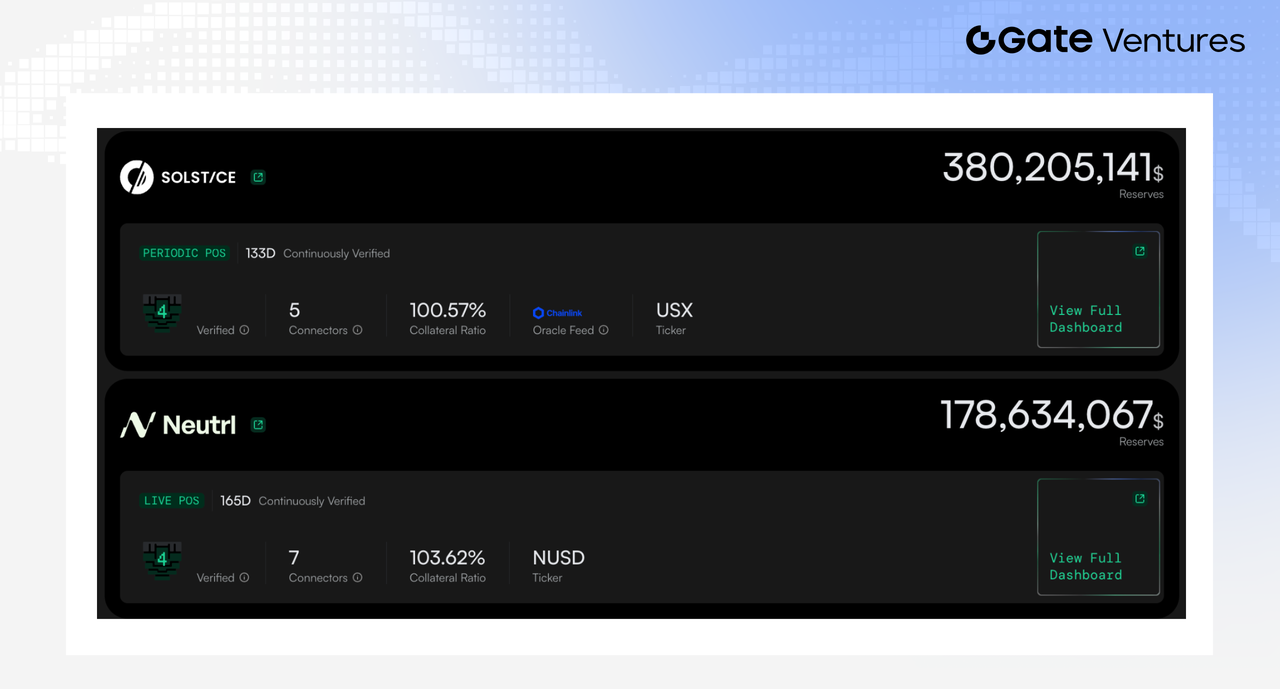
Accountable Capital addresses a core blind spot of traditional PoR: verifying assets but not liabilities.
Source: Accountable
Looking only at assets isn’t enough to prove an institution’s health, as it could still have significant hidden liabilities. Accountable uses zero-knowledge proofs to simultaneously verify assets and liabilities without exposing sensitive information, providing a more complete proof of solvency.
How It Works
Its Data Verification Network (DVN) continuously aggregates data from various sources—on-chain addresses, custodial accounts, bank accounts, internal ledgers, and contract positions. After local encryption, it generates a ZKP to prove whether an institution has sufficient net solvency, all without revealing specific addresses, API keys, or trading strategies. (9)
Unlike solutions that only check for the existence of reserves, Accountable verifies the overall financial health—especially useful for institutional strategies or stablecoin structures that need to disclose leverage, hedges, and liabilities on an ongoing basis.
Risk Detection Layer
The risk detection layer tackles another critical issue: can attacks be detected and stopped before causing losses?
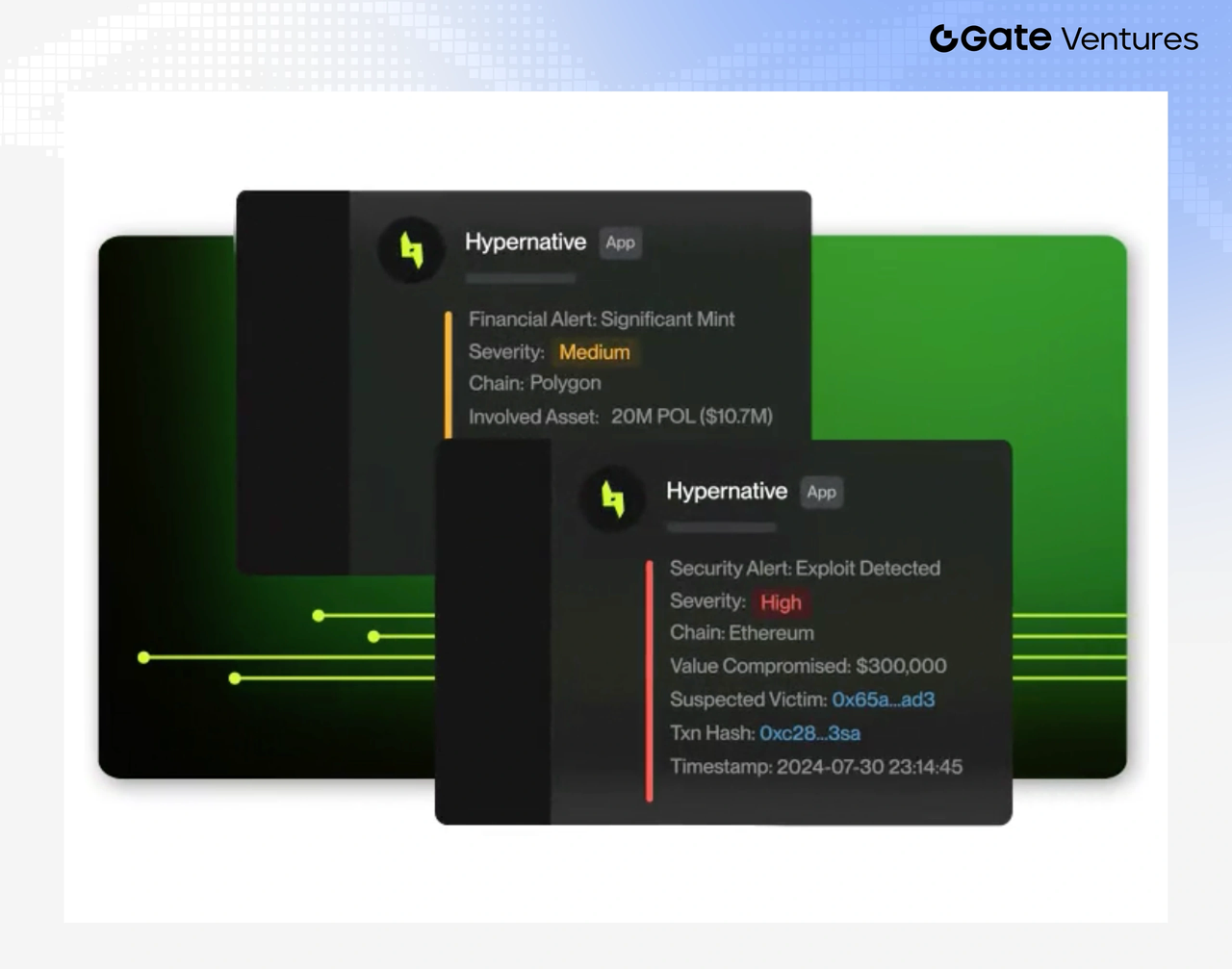
Auditing is a pre-deployment static check, but the detection layer acts as a "real-time immune system" after a protocol goes live. The most notable infrastructure here is Hypernative.
Source: Hypernative
Hypernative leverages machine learning, transaction simulation, graph analysis, and mempool monitoring to continuously track abnormal activity from multiple angles. In other words, it doesn’t just look for contract vulnerabilities but monitors for brewing attacks—such as unusual transaction paths, oracle deviations, abnormal governance actions, front-end phishing, or cross-protocol behaviors. (10)
The real value of this detection capability is its integration with automated risk controls. When the system determines risk has reached a certain threshold, the protocol can immediately pause markets, freeze specific functions, adjust LTV or borrow caps, isolate suspicious assets, or even intercept transactions before they’re included in a block.
Unlike traditional audits, which provide static pre-launch reports, these detection systems offer ongoing, real-time protection: audits answer "what could go wrong," while detection answers "is something going wrong right now."
Outlook
For DeFi insurance to truly scale, several core challenges must be addressed.
First, underwriting capital currently yields low returns, making it far less attractive than other on-chain opportunities. Whether it’s lending, market making, or yield aggregation, capital often finds higher returns elsewhere.
This brings us back to basic supply and demand: if risk-adjusted compensation for insurance pools isn’t high enough, who will provide capital long-term to bear these tail risks?
Second, for the insurance layer to be effective, the underwriting pool itself must be large enough to cover losses from major security incidents. Black swan events can result in potential losses of hundreds of millions of dollars.
Of course, risk management shouldn’t fall solely on insurance. Protocols must also implement mechanisms like timelocks and withdrawal rate limits to prevent liquidity from being drained instantly in a single event. Still, insurance pools need sufficient scale to provide meaningful protection.
More importantly, compared to TradFi, DeFi faces more frequent security incidents and more diverse attack vectors—meaning the required capital base for insurance is even larger, making scaling more difficult.
Third, current DeFi protocols lack robust "loss mitigation structures" at the system design level, making it hard for the insurance layer to price risk effectively.
From an insurance perspective, the key issue isn’t whether attacks will happen, but whether losses can be structurally limited when they do. In reality, many protocols still allow administrators to move large sums, change parameters, or even upgrade contracts in a short time. Once permissions are compromised, losses are often "instantly realized," with loss-given-default (LGD) approaching 100%.
In this scenario, insurance pools are effectively underwriting unlimited tail risk—risk that is nearly impossible to commercialize.
By contrast, if protocols incorporate:
Withdrawal rate limits
Single transaction/daily withdrawal caps
Pre-approved fund flow whitelists
Mandatory timelocks
They can significantly reduce the maximum loss from a single attack, turning "catastrophic" risk into "measurable" risk, and enabling rational insurance pricing.
Fourth, DeFi’s underlying technical architecture still contains many "unknown unknowns," meaning on-chain protocols remain exposed to ever-evolving attack surfaces.
Recent cases illustrate this well: Drift’s breach stemmed from admin key compromise via social engineering, while KelpDAO’s incident involved a critical failure in its 1-of-1 verifier setup. When receiving cross-chain messages via LayerZero, funds were released based solely on a single node’s verification, creating a single point of failure.
Such risks may not stem from code bugs alone but can arise from permission design, cross-chain validation, operational processes, or human error. In short, on-chain protocols face not only "known risks" but also many yet-to-be-identified potential threats.
Even with platforms like Hypernative for real-time security monitoring and tools like Chaos Labs and LlamaRisk for risk assessment, the DeFi risk management framework will require further iteration before it can become truly mature and reliable.
https://www.swissre.com/institute/research/sigma-research.html#:~:text=Read More about: sigma 03,19 Nov 2024
About Gate Ventures
Gate Ventures is the venture capital arm of Gate, focused on investments in decentralized infrastructure, ecosystems, and applications, with a mission to reshape the world in the Web 3.0 era. Gate Ventures partners with global industry leaders to empower teams and startups with innovative thinking and capabilities, redefining the way society and finance interact.
For more information, please visit: Official Website | X | Telegram | LinkedIn | Medium
Disclaimer :
This content does not constitute an offer, solicitation, or advice of any kind. You should always seek independent professional advice before making any investment decisions. Please note that Gate Ventures may restrict or prohibit all or part of its services to users from restricted regions. For more information, please read the User Agreement here: https://www.gate.com/user-agreement.


