Discover how the Consumer Price Index (CPI) impacts the price of Bitcoin and other cryptocurrencies. This comprehensive analysis examines the mechanisms by which inflation affects digital assets, explores market evolution scenarios, and outlines trading strategies for traders on Gate. It serves as a strategic guide for Web3 investors.
Introduction
The Consumer Price Index (CPI) is a critical economic indicator that measures inflation and significantly affects central bank monetary policy and the behavior of financial markets, including cryptocurrencies. For traders and investors in digital assets, understanding how CPI influences Bitcoin (BTC) and other cryptocurrencies is essential for navigating periods of heightened market volatility.
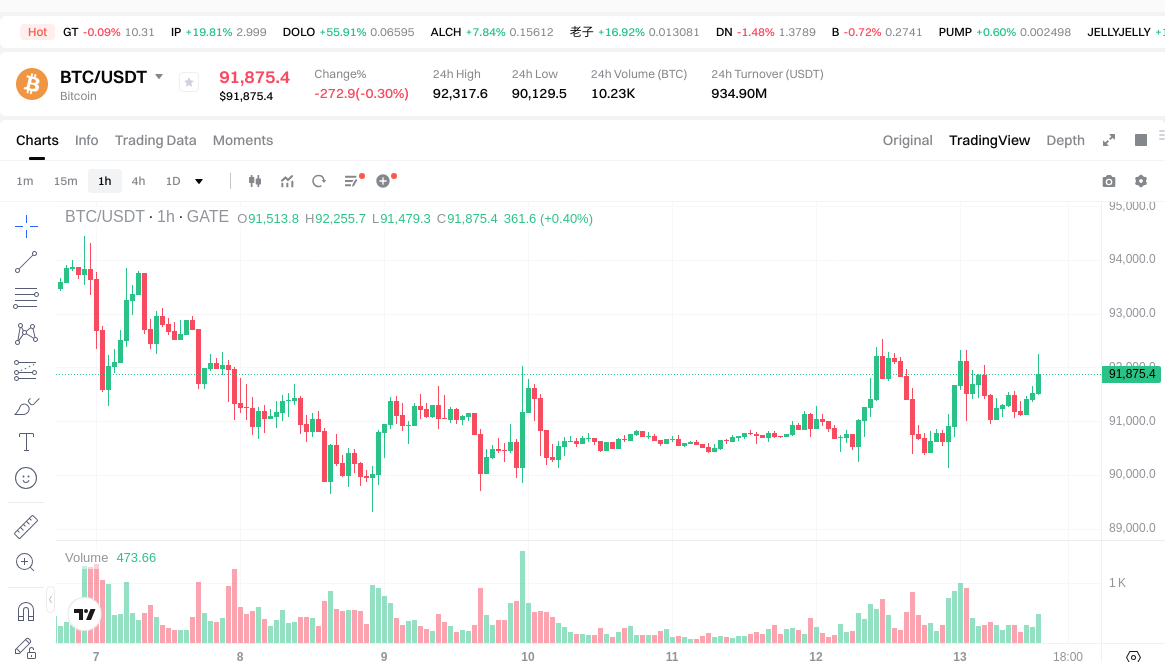
This guide provides a detailed overview of CPI’s definition and function, examines its multifaceted impact on the crypto market, and presents various scenarios to illustrate how CPI can affect digital asset prices. These insights give investors a reliable foundation for making informed trading decisions in dynamic macroeconomic environments. As digital assets become more integrated with the global financial system, understanding the connection between traditional economic indicators and the cryptocurrency market grows increasingly important.
What Is CPI?
The Consumer Price Index (CPI) is a statistical measure that tracks price changes for a standardized basket of goods and services typically consumed by households. This basket covers categories like food, housing, transportation, healthcare, education, and entertainment. Compiled by the U.S. Bureau of Labor Statistics (BLS), CPI compares current prices to those in a base period and calculates percentage changes—such as 0.2% month-over-month or 3.5% year-over-year.
The methodology for calculating CPI involves regularly collecting price data from various regions and retail channels, providing a representative snapshot of pricing trends. The U.S. Federal Reserve uses CPI as a core benchmark for interest rate decisions: a high CPI reading signals rising inflation, prompting policymakers to raise rates to cool the economy, while a low CPI supports rate cuts to foster growth.
The BLS publishes CPI monthly, usually around mid-month. This predictable release schedule enables market participants to prepare for changes based on new data, making CPI a consistent factor in cryptocurrency trading strategies. For crypto markets, CPI shapes expectations for U.S. dollar strength and overall investor risk appetite, directly affecting the valuation of BTC and altcoins.
How CPI Influences Cryptocurrencies
CPI impacts crypto markets through several interconnected mechanisms, each playing a crucial role in shaping price dynamics for digital assets:
Inflation Expectations
A high CPI signals rising inflation, often triggering central banks to hike interest rates. Higher rates strengthen the U.S. dollar and make it more appealing versus risk assets. This can sharply reduce demand for BTC and other cryptocurrencies, putting downward pressure on prices. For example, when CPI exceeds 4% year-over-year, markets typically expect aggressive monetary tightening.
In contrast, a low CPI suggests contained inflation or even deflation. In such environments, central banks may pursue accommodative policies or cut rates, weakening the dollar. A weaker currency boosts demand for alternative assets like cryptocurrencies, as investors seek ways to preserve their purchasing power. Historically, periods of low inflation are often accompanied by increased interest in BTC as a hedge against potential future fiat devaluation.
Monetary Policy
Interest rate hikes in response to high CPI raise borrowing costs and exert broad pressure on crypto prices. Expensive credit reduces speculative capital, shrinks liquidity, and makes traditional fixed-income instruments more attractive than volatile crypto assets, prompting capital outflows from the sector.
Conversely, rate cuts following low CPI readings increase overall liquidity, lower borrowing costs, and drive investors to seek higher yields. In these conditions, risk assets—including cryptocurrencies—see greater demand and price support. Extended periods of low rates in recent years have coincided with strong growth in the crypto market.
Investor Sentiment
High CPI and related policy uncertainty can trigger caution among investors, reducing risk appetite in financial markets. In these environments, capital is often reallocated to safe havens like government bonds or gold, negatively impacting demand for cryptocurrencies.
Low CPI, on the other hand, can foster optimism and a greater willingness to take risks. Investors may view cryptocurrencies as a promising hedge against fiat devaluation and a route to higher yields. Psychology is crucial: favorable CPI releases can spark optimism in crypto markets, causing rapid price increases.
CPI Impact Scenarios
High Inflation Scenario
If CPI surges above 3–4% year-over-year, the central bank may launch an aggressive rate-hiking cycle. The dollar strengthens, reducing the attractiveness of BTC and other cryptocurrencies. This environment can lead to sharp declines in digital asset prices as investors shift to safer, more predictable vehicles like government bonds or deposits.
High rates raise the opportunity cost of holding non-yielding assets, suppress risk appetite, and drive capital into traditional investments. For instance, if government bond yields hit 5–6%, many investors will favor guaranteed returns over volatile cryptocurrencies.
Low Inflation Scenario
If CPI drops below the 2% annual target, it signals controlled inflation or deflationary risks, prompting policymakers toward easy monetary policy. Low rates weaken the U.S. dollar and boost demand for alternative assets. In these conditions, BTC often rallies as investors seek higher returns outside traditional markets.
Low CPI’s positive impact on crypto comes from increased liquidity, cheaper borrowing, and greater investment in high-yield risk assets. Historical trends show that periods of low rates often coincide with bullish moves in the crypto market.
Stable Inflation Scenario
If CPI stays stable within the 2–3% range, monetary policy remains consistent and predictable, stabilizing financial markets—including crypto. BTC prices may trade within established ranges, creating a favorable environment for long-term investors who value predictability over volatility.
Stability balances risk and reward, reduces the odds of abrupt policy shifts, and dampens extreme price swings. This gives investors greater confidence to plan long-term strategies without fear of sudden macro shocks.
Other Key Economic Indicators
Beyond CPI, several U.S. economic indicators significantly impact crypto market dynamics:
Producer Price Index (PPI)
The PPI tracks changes in producer-level costs, measuring prices for raw materials, intermediate goods, and services before they reach consumers. PPI often precedes shifts in CPI, as rising costs are eventually passed to consumers. Significant PPI increases signal rising inflationary pressure, influencing crypto markets similarly to high CPI by fueling expectations of tighter monetary policy.
Initial Unemployment Claims
This weekly metric shows the number of new unemployment benefit applications, reflecting labor market health. Fewer claims signal economic strength and may prompt tighter monetary policy, which can pressure crypto prices. Conversely, rising claims indicate weakness, possibly leading to policy easing and supporting risk assets.
Consumer Confidence Index
The Consumer Confidence Index gauges households’ outlook on the economy and willingness to make major purchases and investments. Recently, the index fell to 86.0, its lowest in years, signaling growing caution. Such a drop in confidence can weaken demand for risk assets, including crypto, as investors prioritize liquidity and avoid speculation during uncertainty.
Interpreting Economic Data Releases
Major economic data releases, especially CPI, can spark volatility in crypto markets. To prepare effectively, traders should:
Monitor Forecasts
Regularly review consensus analyst forecasts for upcoming releases. Understanding market expectations helps anticipate reactions. Large deviations between actual and forecasted data typically trigger stronger price moves than in-line releases.
Analyze History
Study how crypto markets have responded to similar economic releases in the past. This reveals behavioral patterns and helps prepare for likely scenarios. For example, analyzing BTC’s price reaction to previous high CPI releases can guide expectations for future events.
Track Policy
Understand how economic data informs central bank and regulatory decisions. Follow Federal Reserve statements, meeting minutes, and official forecasts to assess the likelihood of rate changes and adjust trading strategies accordingly.
Trading Strategies Based on Economic Data
To navigate CPI and other key data releases, consider these strategies:
Pre-Release Preparation
Study consensus analyst forecasts and assess possible scenarios. If actual CPI is expected to exceed forecasts, consider short positions or hedging long exposure. If CPI is likely to undershoot expectations, plan to open long positions or increase market exposure.
Post-Release Actions
Respond quickly to unexpected data, but avoid impulsive trades in the initial minutes after release, when volatility peaks. An unexpectedly low CPI may justify buying BTC, especially if the market sustains gains after the initial reaction. An unexpectedly high CPI may warrant profit-taking or opening short positions.
Managing Volatility
Use derivatives like options to hedge against sharp price swings during major releases. Call options are appropriate when expecting a low CPI and subsequent crypto rally; put options help protect against declines after high CPI releases and tighter policy.
Risk Management
Always set stop-loss orders to limit potential losses. Define your maximum acceptable loss before entering a trade. Diversify across cryptocurrencies and asset classes to lower overall exposure to individual asset volatility. Never risk capital you cannot afford to lose, especially in periods of heightened uncertainty.
Conclusion
The Consumer Price Index (CPI) and related economic indicators are central to crypto market dynamics, influencing prices through inflation expectations, monetary policy, and investor sentiment. Deep knowledge of CPI’s role enables traders and investors to better anticipate price moves and adapt strategies to shifting macroeconomic conditions.
Regardless of whether the market faces high, low, or stable inflation, continuously monitoring economic indicators and their relationship to crypto remains crucial for success in the fast-moving digital asset landscape. Investors who integrate macroeconomic analysis into their strategies gain a substantial edge in making informed decisions and managing risk over the long term.
FAQ
What is the CPI (Consumer Price Index) and how is it calculated?
CPI measures changes in prices for goods and services in the economy. It’s calculated using official statistical methods by tracking a basket of consumer goods. CPI reflects the inflation rate and indirectly impacts crypto volatility through macroeconomic factors.
How do changes in CPI affect Bitcoin and other cryptocurrency prices?
High CPI often drives up cryptocurrency prices as a hedge against inflation. Investors move capital into Bitcoin and altcoins seeking alternatives to traditional assets. However, the market remains volatile and reacts in complex ways to macroeconomic changes.
Why are cryptocurrencies often considered a hedge against inflation and rising CPI?
Cryptocurrencies have a fixed supply that’s independent of monetary policy and inflation. Bitcoin and other capped assets maintain purchasing power as CPI rises, unlike traditional currencies.
How are central bank rate decisions and CPI related, and what is the impact on crypto markets?
Central bank rate decisions directly affect CPI. Lower rates increase inflation, which typically supports crypto growth as an alternative asset. Higher rates curb inflation and may reduce demand for digital assets.
How should crypto investors respond to CPI releases?
A low CPI signals buying BTC and altcoins; a high CPI calls for caution and possibly profit-taking. React quickly to unexpected data and watch for market trends.
* The information is not intended to be and does not constitute financial advice or any other recommendation of any sort offered or endorsed by Gate.